


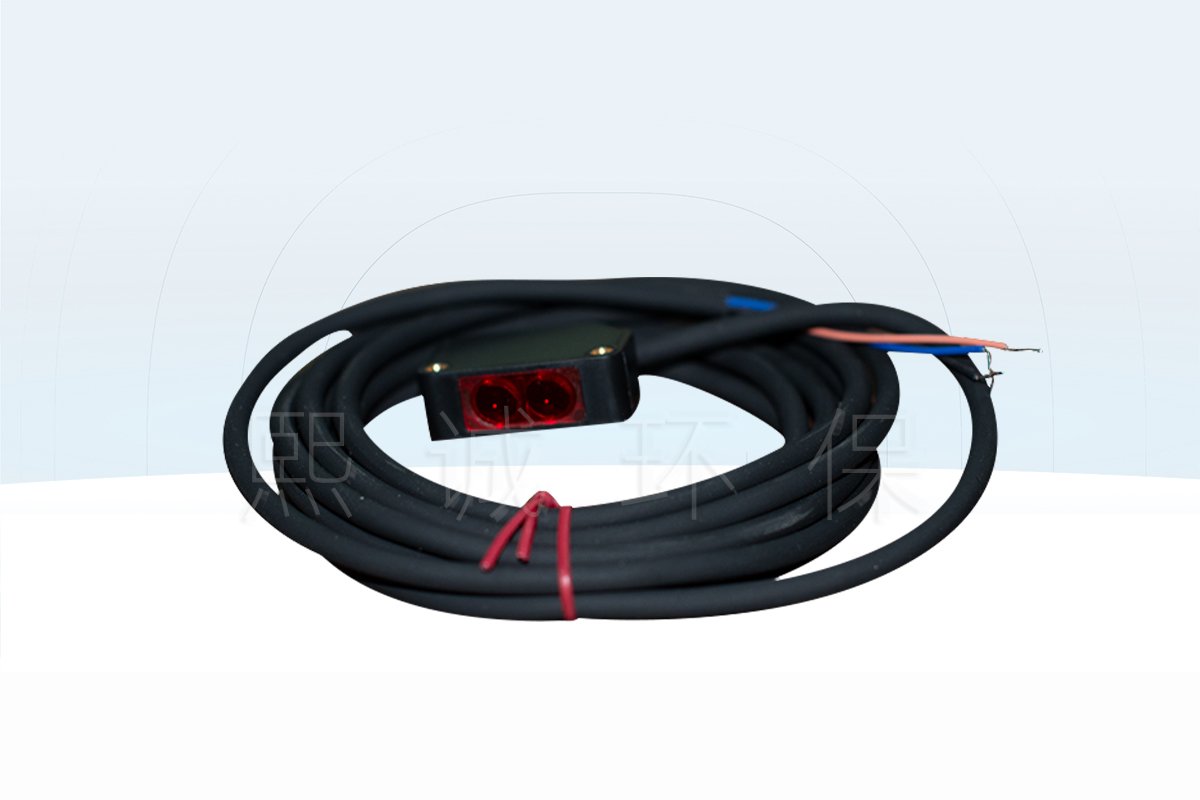
Description
Fume Hood Sash Safety Sensor Overview
This fume hood sash safety sensor detects a hand, container or other obstruction in the closing path of a motorized laboratory sash. The reflective photoelectric sensor is installed near the lower sides of the sash opening and sends an obstruction signal to the automatic sash controller. The controller then applies the configured stop or recovery response before downward movement continues into the detected object.
The sensor is intended for the moving-sash zone, where an automatic closing command creates a specific pinch or contact risk. It is different from a room or hood occupancy sensor. Occupancy detection helps decide whether an unattended sash may close; the sash safety sensor checks whether the actual closing path is clear while that movement takes place.
Choose This Sensor When
Select this infrared anti-pinch sensor when the fume hood uses powered sash closing and the controller has a compatible obstruction input. The hood frame must provide a stable mounting position and a clear reflective path across the area that needs protection. The completed system must also allow an installer to test the sensor, controller and motor response together.
- The vertical sash can descend under motor power rather than only by hand.
- A dedicated obstruction input is required in addition to occupancy and position feedback.
- The lower sash opening can accommodate the sensor, cable and reflective detection path.
- The controller response can be defined as stop, stop-and-reverse or another project-specific sequence.
- Commissioning will include obstruction tests at representative points across the opening.
Key Decisions Before Ordering
Compatibility depends on more than the sensor housing. Confirm the controller input, sensor supply, output logic, cable arrangement, sensing path and expected fault response as one package. For a retrofit, the lower frame geometry and existing wiring route are equally important because trim, guides, handles and moving cables can interrupt or misalign the optical path.
What the Sensor Does Not Replace
The sensor does not command the motor directly, measure sash position or decide when automatic closing should begin. Those tasks belong to the automatic fume hood sash controller, the sash position sensor and the drive assembly. It also does not measure face velocity or verify fume containment. Airflow monitoring and ventilation commissioning remain separate parts of the fume hood system.
Key Product and Interface Specifications
The product uses reflective photoelectric detection to monitor the automatic sash closing zone. Electrical details are configured to match the selected sash controller, so the order must pair the mechanical installation with the correct supply, signal logic and cable arrangement.
| Specification | Product Information |
|---|---|
| Product type | Fume hood sash obstruction and anti-pinch sensor |
| Detection principle | Reflective photoelectric detection |
| Detected event | A hand or object interrupts the configured optical path during automatic sash closing |
| Typical installation area | Near the lower left and right sides of the automatic sash opening |
| Signal function | Obstruction input for the automatic sash controller |
| System response | Controller stops or changes the downward motor command according to the configured safety sequence |
| Primary application | Motorized vertical sash closing protection on laboratory fume hoods |
| Related controls | Automatic sash controller, sash position feedback and motor drive |
Electrical Interface to Match
The controller and sensor must use compatible voltage, input and signal logic. The wiring information supplied with the selected configuration identifies the sensor power, output conductors and normal input state. Matching these details before installation prevents a clear path from being interpreted as an obstruction, or an obstruction from being ignored because the input logic is reversed.
| Interface Field | Information Needed |
|---|---|
| Sensor supply | Available voltage and the supply provided by the sash controller or control power circuit |
| Output and normal state | Output type, clear-path state, obstruction state and compatible controller input |
| Cable | Required length, conductor assignment, connector or terminal and routing method |
| Detection path | Sensor quantity, reflective arrangement and coverage required across the sash opening |
| Fault behavior | Controller response to a blocked sensor, broken wire, disconnected sensor or loss of power |
Mechanical Fit at the Sash Opening
Provide the hood front elevation or clear photographs of the lower sash frame. The mounting position must keep the sensing face stable, leave the sash and handle unobstructed and protect the cable from repeated flexing or pinching. On double-sided or unusually wide openings, the required coverage should be confirmed from the actual closing zone rather than assumed from one sensor position.
How Infrared Anti-Pinch Detection Works
The fume hood sash safety sensor monitors a defined reflective optical path near the descending sash. When the path is clear, the controller receives the normal sensor state. When a hand or object interrupts the reflected light, the sensor changes state and the automatic sash controller responds according to its safety sequence.
Detection Sequence During Automatic Closing
- The controller checks the position, occupancy and safety inputs before issuing a downward command.
- The motor begins moving the sash while the obstruction input remains under supervision.
- A hand, vessel or other object enters the configured optical path.
- The sensor changes its output and the controller removes or reverses the downward command.
- Movement resumes only after the obstruction clears and the controller’s reset conditions are satisfied.
This sequence separates detection from action. The sensor identifies a change in the optical path; the controller determines what the motor does next. The stop distance therefore depends on the complete system, including sensor location, signal processing, motor speed, controller logic and sash mechanics.
Detection Coverage Matters More Than a Single Test Point
A sensor can only monitor the optical path created by its installed position and reflective arrangement. The path should intercept an obstruction before the moving edge reaches it and should cover the practical area where hands or objects may remain during closing. A successful test directly in front of the sensor does not prove equivalent coverage at the center or opposite side of a wide sash.
Frame edges, handles, guide rails, cables and deposited residue can alter the reflected signal. The installer should check coverage with the sash at different heights and with representative obstructions placed at multiple positions across the opening. This confirms that the sensor is monitoring the required zone rather than only responding under ideal alignment.
What the Obstruction Signal Can and Cannot Prove
An active obstruction state indicates that the configured optical path is interrupted. It does not identify the object, measure contact force or certify the complete hood as pinch-proof. Safe automatic operation comes from the sensor, controller response, position feedback, drive condition and commissioning tests working together. Mechanical current limiting or clutch behavior may provide additional protection, but neither replaces direct monitoring of the closing path.
Automatic Sash Controller Integration
The sash safety sensor is connected as a dedicated input to the automatic closing controller. During downward movement, the controller reads the obstruction state together with sash position and other permissive signals. If the path is blocked, the controller changes the motor command without requiring the sensor to switch the motor load directly.
Define the Required Motor Response
The control sequence should state exactly what happens when an obstruction is detected. Some projects require an immediate stop; others require a short reverse movement to release the obstruction zone. The sequence must also define whether closing can restart automatically, requires a new command or remains inhibited until the input and fault state are checked.
Motor speed and stopping distance affect this decision. A sash moving quickly may travel farther after the obstruction signal than a slower sash. Commissioning should therefore verify the response using the actual sash, motor and controller settings rather than treating the input indication alone as proof of protection.
Separate Occupancy, Position and Obstruction Inputs
Each automatic-sash input answers a different control question. A fume hood occupancy sensor indicates whether an operator is active in front of the hood. A draw-wire or rotary position sensor reports the sash opening. The infrared safety sensor indicates whether the closing zone is obstructed. Combining all three allows the controller to decide when closing may start, where the sash is and whether downward motion may continue.
Plan the Fault Response
The controller should have a defined response to a disconnected cable, loss of sensor power, persistent obstruction signal or unstable input. Where the selected interface supports fault recognition, the automatic closing sequence can be inhibited and an alarm or service indication displayed. If the interface cannot distinguish a clear path from a wiring fault, that limitation should be addressed through inspection and functional testing procedures.
The sensor is part of the sash movement system only. It does not regulate exhaust airflow. Fume hoods that require face-velocity monitoring or VAV control still need the appropriate airflow sensor, monitor, controller and valve or damper.
Installation and Functional Verification
Install the sensing components where the optical path crosses the required closing zone without interfering with normal hood operation. XICHENG normally positions the sensor near the lower left and right sides of the automatic sash opening. Final placement depends on the sash width, frame profile, handle, guides and available cable route.
Position and Align the Detection Path
Mount the sensor on a rigid surface and align the reflective path before the sash motor is enabled. The sensing face should remain stable as the sash moves and should not be blocked by fixed trim or normal hardware. Verify that a hand or test object interrupts the path early enough for the controller to stop the moving sash.
For a wide opening, test the left side, center and right side rather than relying on one location. If the required zone cannot be covered by the proposed arrangement, adjust the mounting positions or sensor quantity before the system enters service.
Protect the Cable and Sensing Surface
Route the cable outside the sash travel, counterweight path and moving linkage. Provide strain relief and protection against abrasion, repeated bending and accidental pinching. Keep the sensing face and reflective area accessible for cleaning because dust, chemical residue or a shifted bracket can reduce reliable detection.
Commission the Complete Closing Sequence
First verify the sensor state at the controller with the motor output disabled. Then operate the sash under automatic control and introduce a suitable test obstruction at representative points and sash heights. Confirm the stop or reverse response, the distance travelled after detection and the conditions required before movement can resume.
Repeat the test after cable work, sensor adjustment, controller replacement or changes to the sash speed. Maintenance records should identify the sensor location, controller input and expected response so future service can distinguish a sensing problem from a motor, position or mechanical fault.
Selection, Related Components and RFQ Information
Select the fume hood sash safety sensor as part of the complete automatic-closing chain. The correct version must fit the hood opening, communicate with the controller and support the required obstruction response. New-hood projects can coordinate the sensor mounts and wiring during fabrication, while retrofits require a closer check of existing frame geometry and control inputs.
Safety Sensor or Occupancy Sensor?
Use the infrared sash safety sensor to monitor an obstruction in the moving-sash path. Use the occupancy sensor to detect activity in front of the hood and support unattended-closing logic. A system may use both: occupancy detection determines whether an automatic closing request is appropriate, while the safety sensor checks whether the path remains clear during the actual movement.
Match the Sensor to the Other Sash Components
The safety input must be coordinated with the automatic sash controller and the automatic sash motor. Position feedback establishes the closed, working and maximum-open points, while the safety sensor supervises the closing zone. A replacement sensor should not be chosen only by appearance because supply, output logic and cable assignment can differ between similar housings.
Information Needed for a Quotation
Send the hood model or front elevation, sash width and travel, controller model, available sensor supply, required input type, proposed mounting positions, cable length and desired obstruction response. For a retrofit, include clear photographs of the lower frame, sash guides, handle and existing sensor wiring.
XICHENG will match the sensor arrangement to the automatic sash controls and list the supplied sensor, cable or connector, mounting components and applicable wiring information. The completed system should be functionally tested after installation using the actual sash speed and controller sequence.
Frequently Asked Questions
What does a fume hood sash safety sensor detect?
It detects a hand or object interrupting the configured reflective optical path in the automatic sash closing zone. The sensor sends an obstruction signal to the sash controller, which changes the motor command.
Is an infrared anti-pinch sensor the same as an occupancy sensor?
No. The anti-pinch sensor monitors the moving-sash path. An occupancy sensor detects operator activity in front of the hood and is normally used to support unattended-closing timing.
Does the sensor stop the sash motor directly?
No. It supplies an input to the automatic sash controller. The controller applies the configured stop, reverse or reset sequence and switches the motor output.
Where should the sensor be installed?
The XICHENG arrangement is normally installed near the lower left and right sides of the sash opening. Final placement must cover the required closing zone without interference from the frame, handle, guides or moving cables.
Can the sensor be selected from a product photograph?
No. Similar housings can use different supply voltages, output logic and conductor assignments. Match the sensor to the controller input, cable arrangement and required fault response.
How is the installed sensor tested?
Verify the input state first, then run the automatic closing sequence with representative test obstructions at multiple points across the opening. Confirm the stopping response, travel after detection and recovery behavior.
Can this sensor be added to an existing fume hood?
Retrofit is possible when the hood frame provides a suitable sensing path, protected cable route and compatible controller input. Photographs and dimensions of the lower sash frame are needed before the mounting arrangement is selected.
Contact the Xicheng Engineering Team Today
Send the hood front elevation, sash width and travel, controller model, available supply, input requirements, proposed sensor location and required obstruction response. XICHENG will match the sensor, mounting and electrical interface to the selected automatic sash system.
Shenzhen Office: No. 34 Zhenxing Road (Shengtaian Heavy Industrial Park B), Loucun, Guangming New Dist, Shenzhen, Guangdong, China
WhatsApp: +86 18126478161
Engineering Mailbox: fanalax34@gmail.com