

+86 181 2647 8161

Shenzhen Office
COFCO Cloud View Plaza, Hexhuikou Community, Matian Subdistrict, Guangming District, Shenzhen City, Guangdong Province, China
Laboratory Ventilation Components
Filter by price
Showing all 6 results
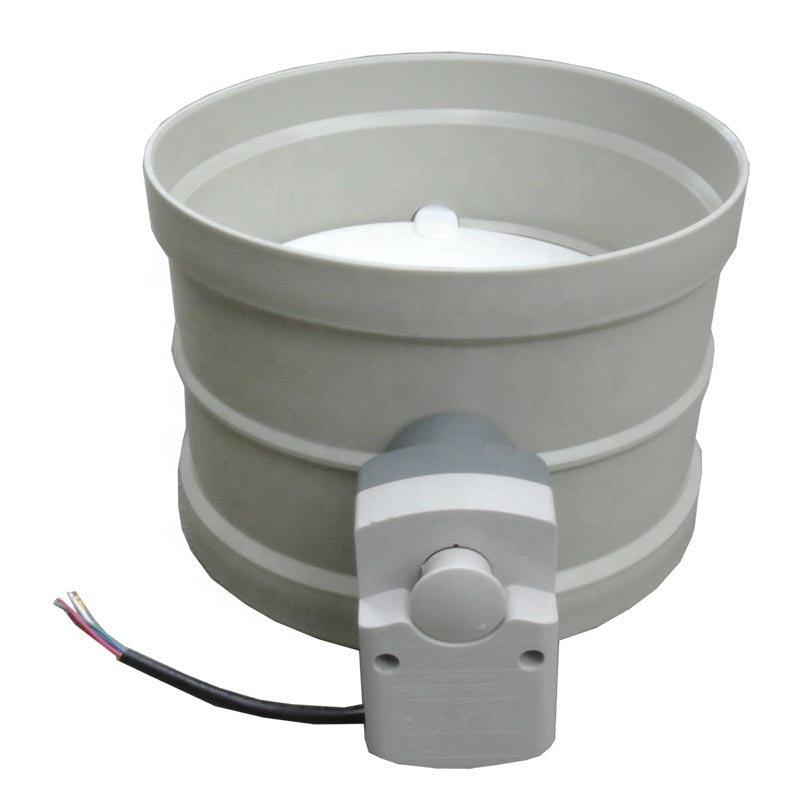
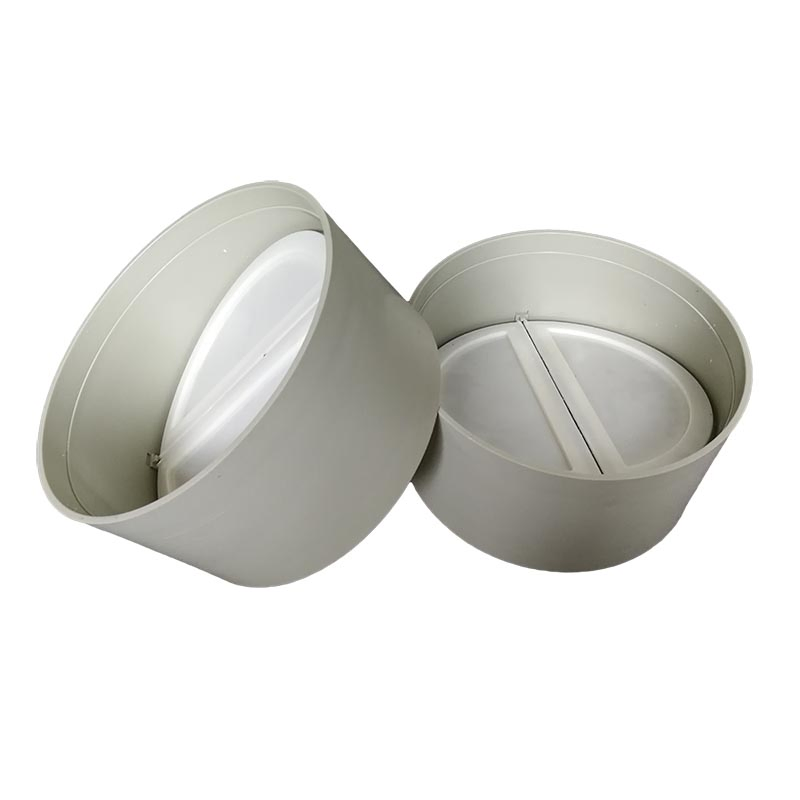
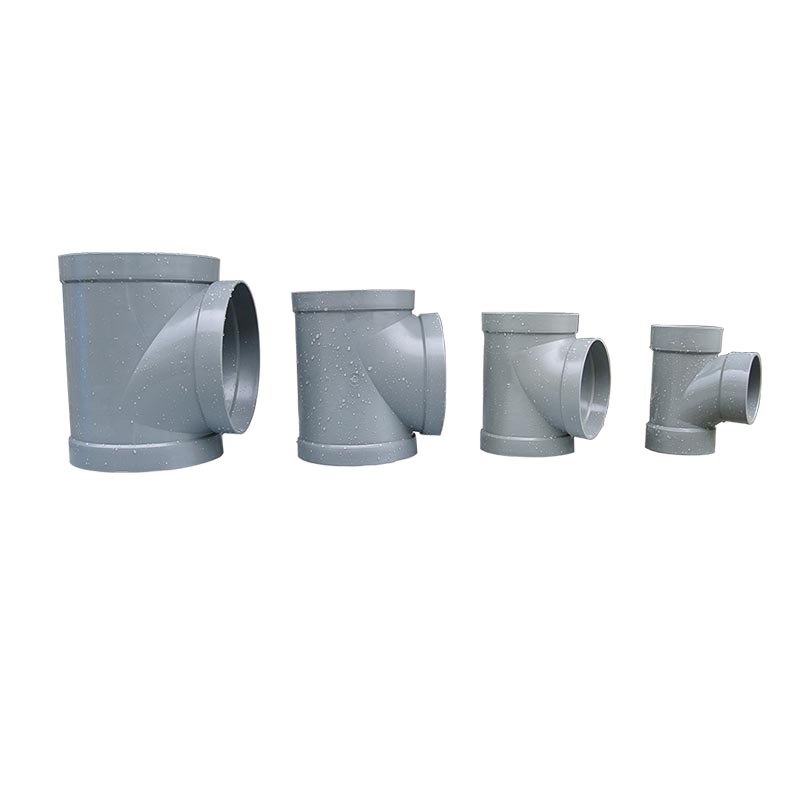
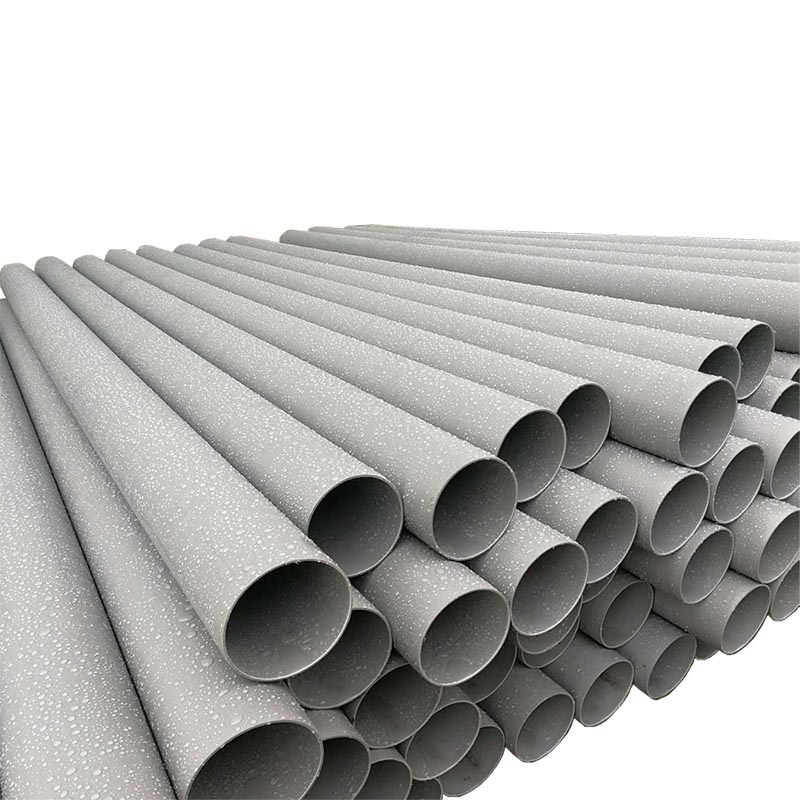
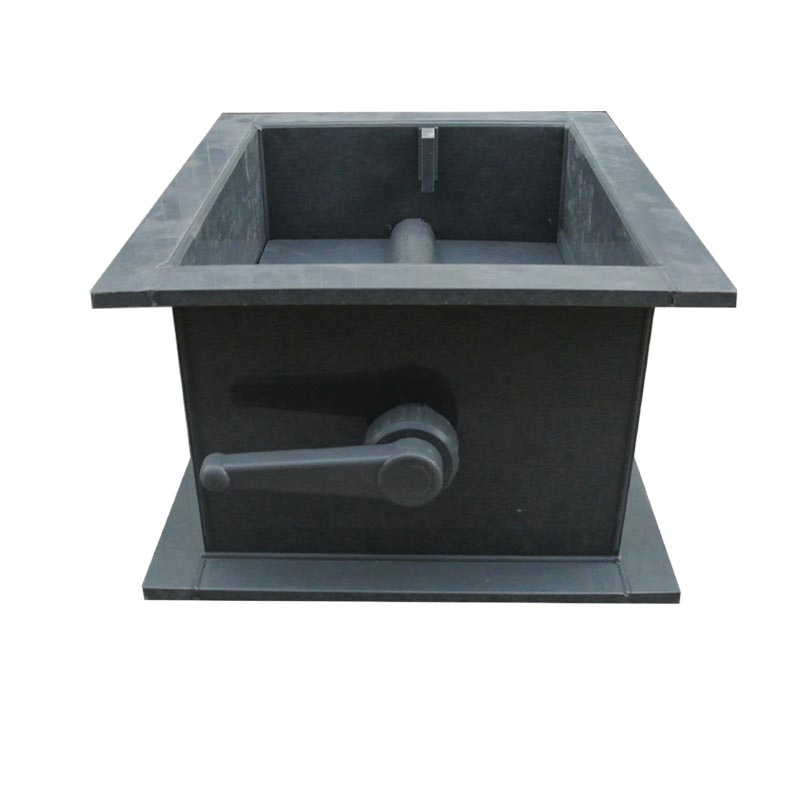
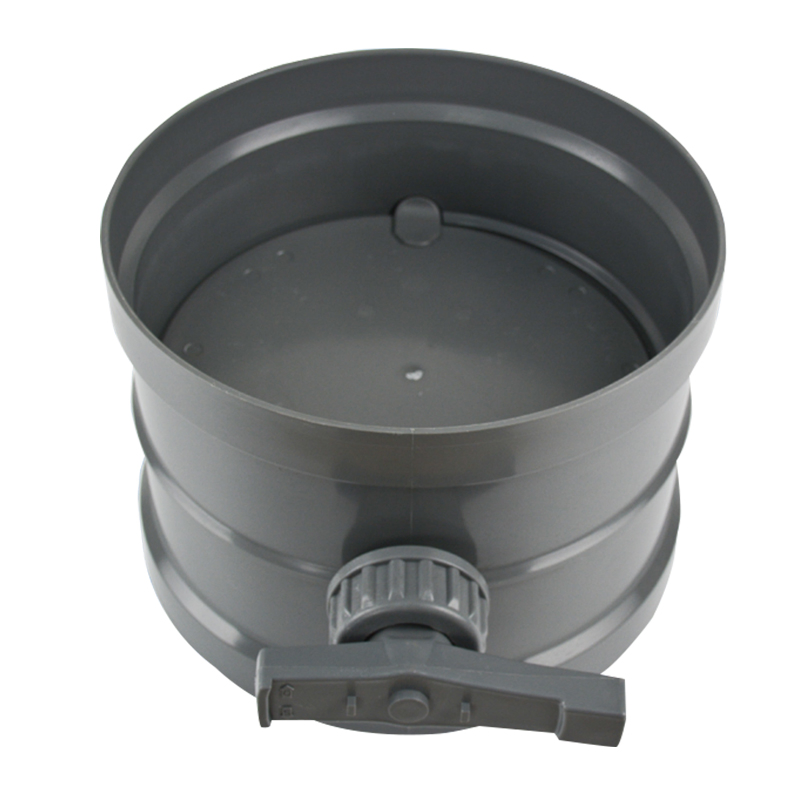
Laboratory Ventilation Components for Corrosive and General Exhaust Ductwork Laboratory ventilation components connect, balance, actuate, and protect supply or exhaust branches outside the primary fume hood or control device. This category covers manual and motorized dampers, backdraft dampers, corrosion-resistant duct sections, and duct fittings. Component selection should follow the air stream, duct geometry, pressure condition, and installation method; a matching nominal diameter is not enough to confirm suitability.
Choose the Component by Its Function in the Duct System Manual Air Dampers support fixed balancing or isolation positions. Motorized Air Dampers add commanded movement and must be matched to a suitable actuator and control signal. Backdraft Dampers resist reverse airflow when the system arrangement and available pressure allow the blade to operate correctly. Ventilation Ducts and Duct Fittings form the corrosion-resistant exhaust path and require compatible joints, supports, transitions, and connection details.
Information Required for Component Selection Provide airflow, duct diameter or rectangular dimensions, static pressure, air-stream chemistry, temperature, material requirement, wall thickness where specified, flange or socket detail, fitting geometry, installation orientation, support spacing, actuator interface, quantity, and drawing references. Fire, smoke, blast, or certified shutoff duties require purpose-approved components and should not be assigned to standard ventilation dampers by assumption.
Send the duct layout, bill of quantities, connection details, and chemical-service information to the XICHENG engineering team for a coordinated component schedule.