

+86 181 2647 8161

Shenzhen Office
COFCO Cloud View Plaza, Hexhuikou Community, Matian Subdistrict, Guangming District, Shenzhen City, Guangdong Province, China
Laboratory Fume Hoods
Filter by price
Showing all 15 results
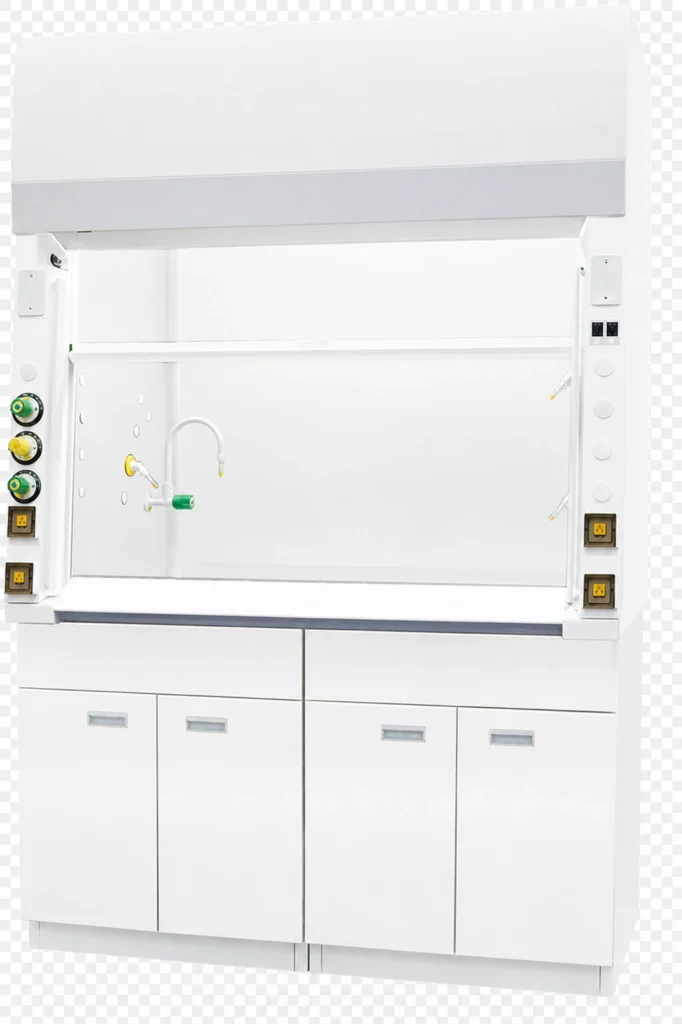
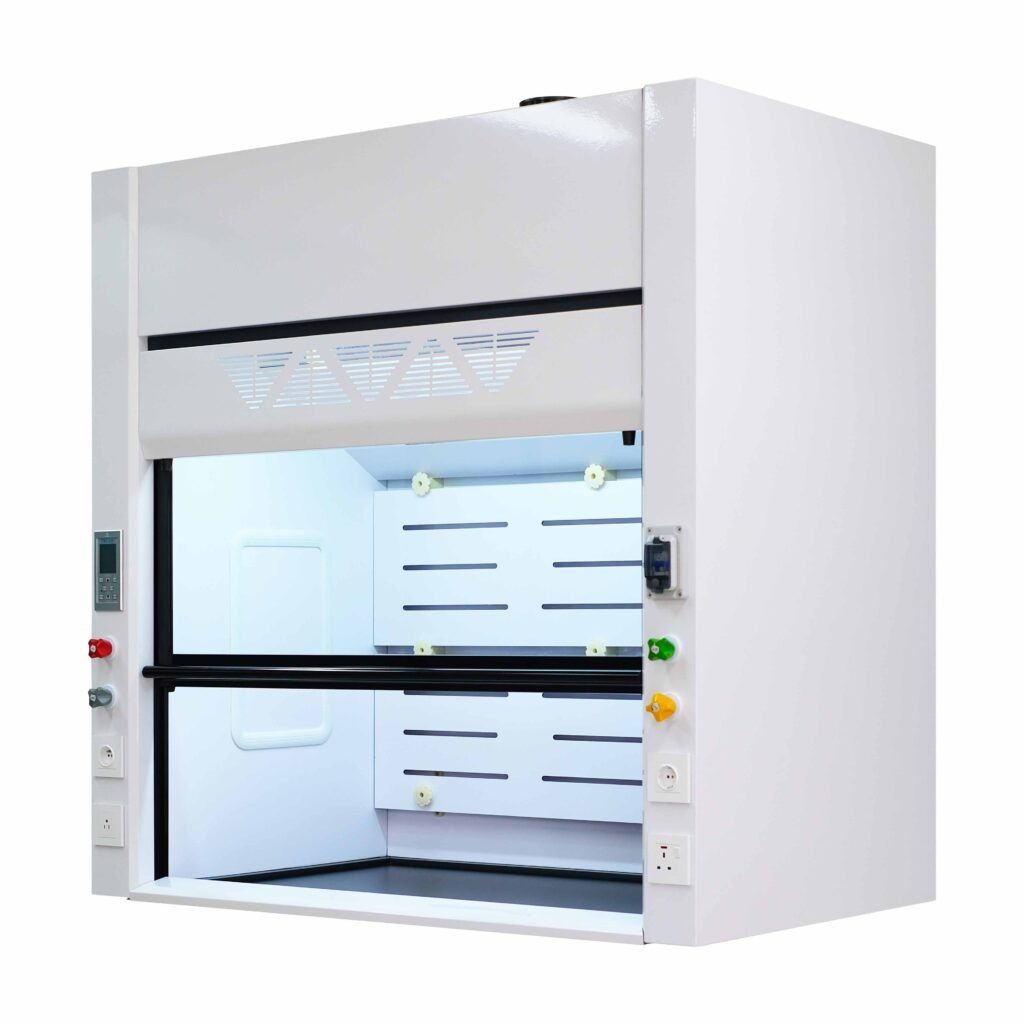
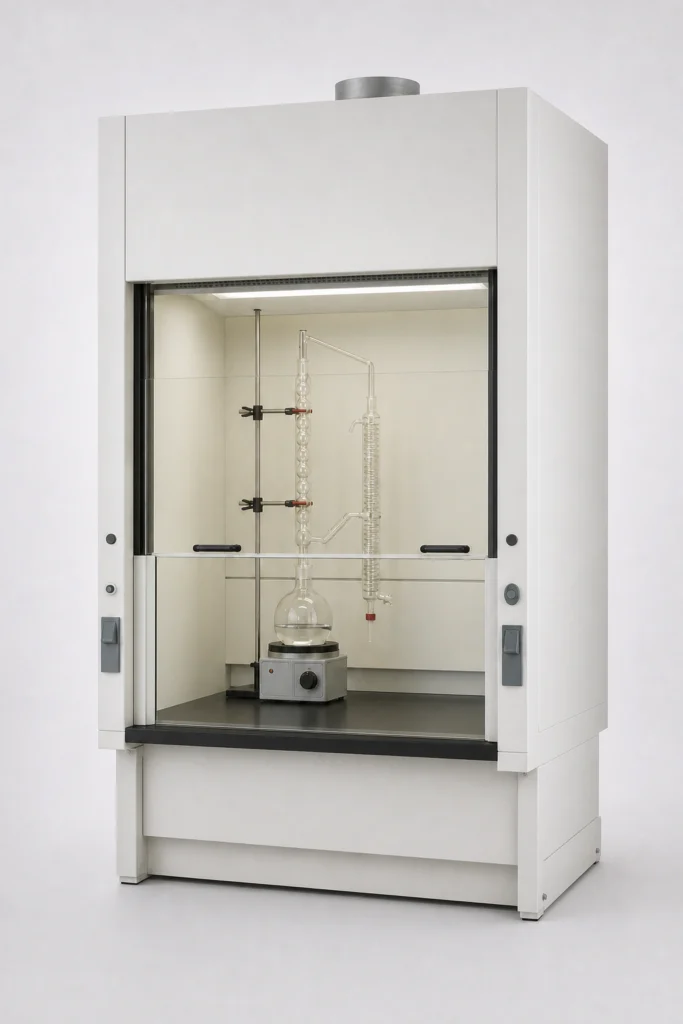
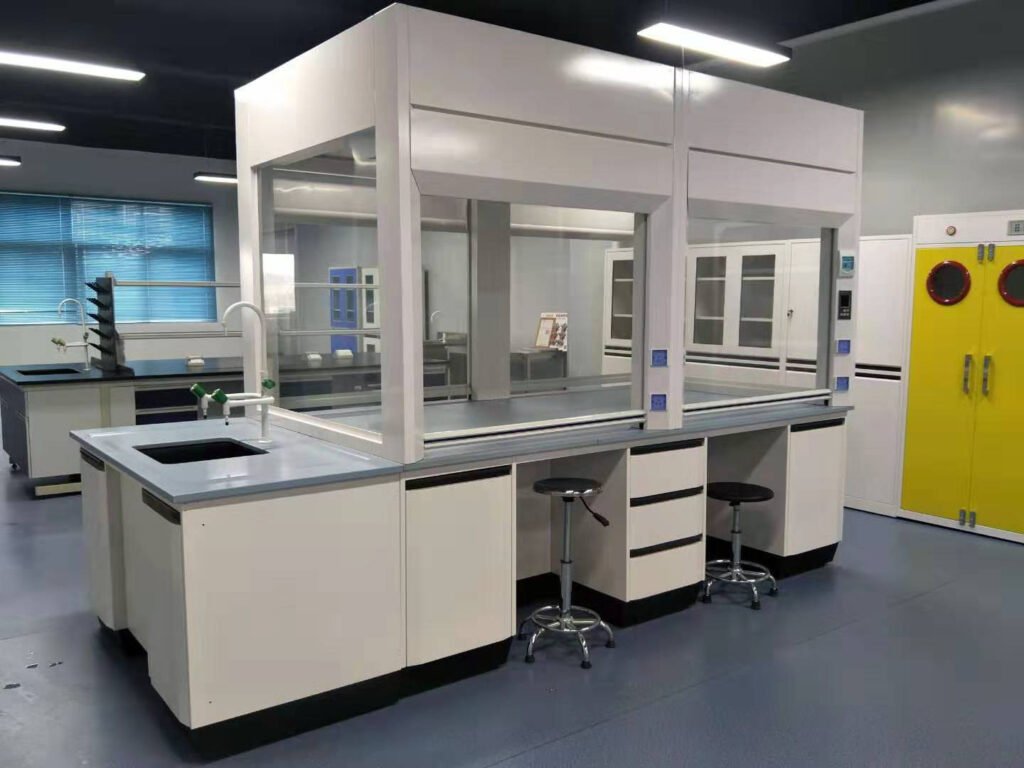
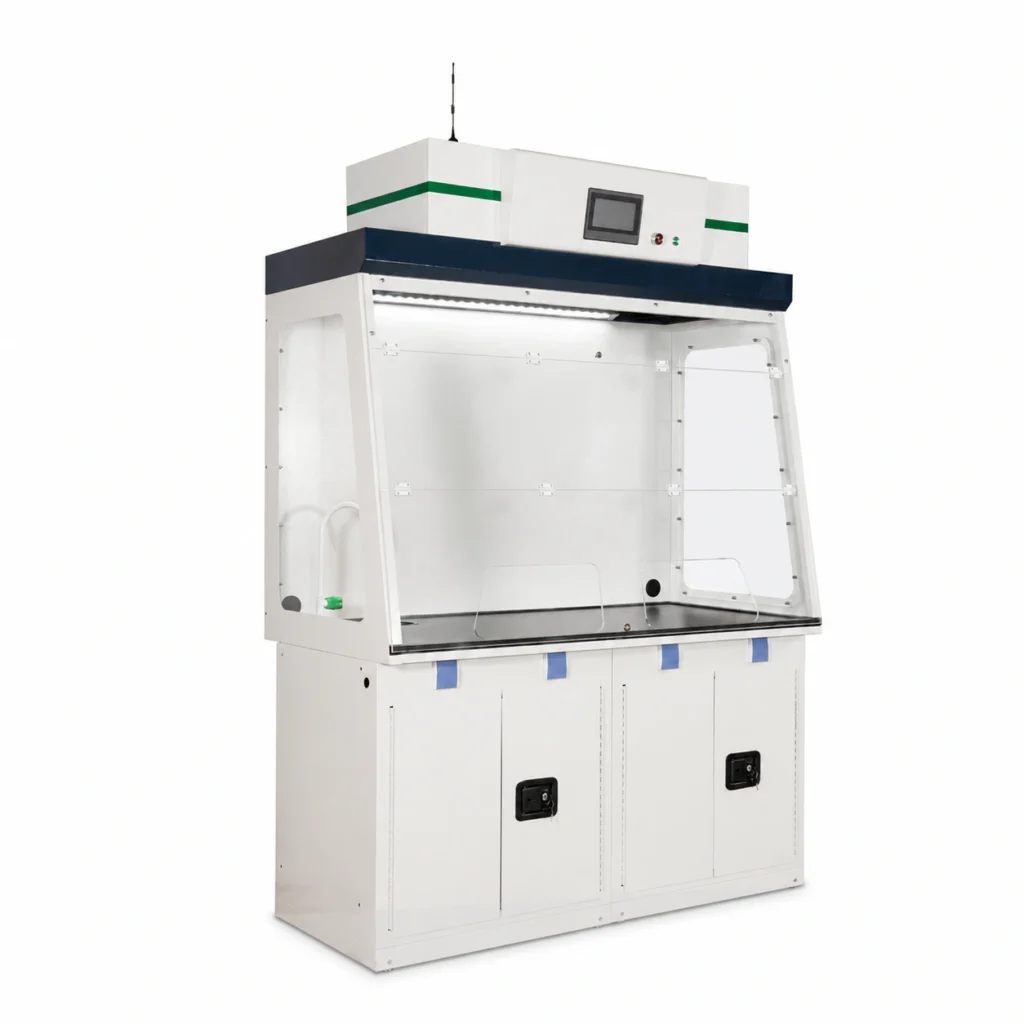
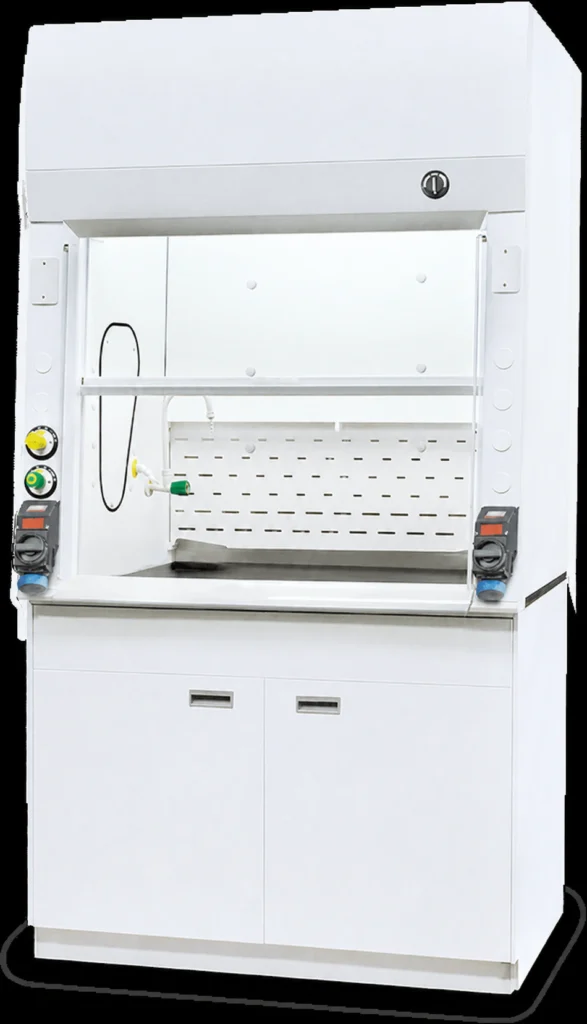
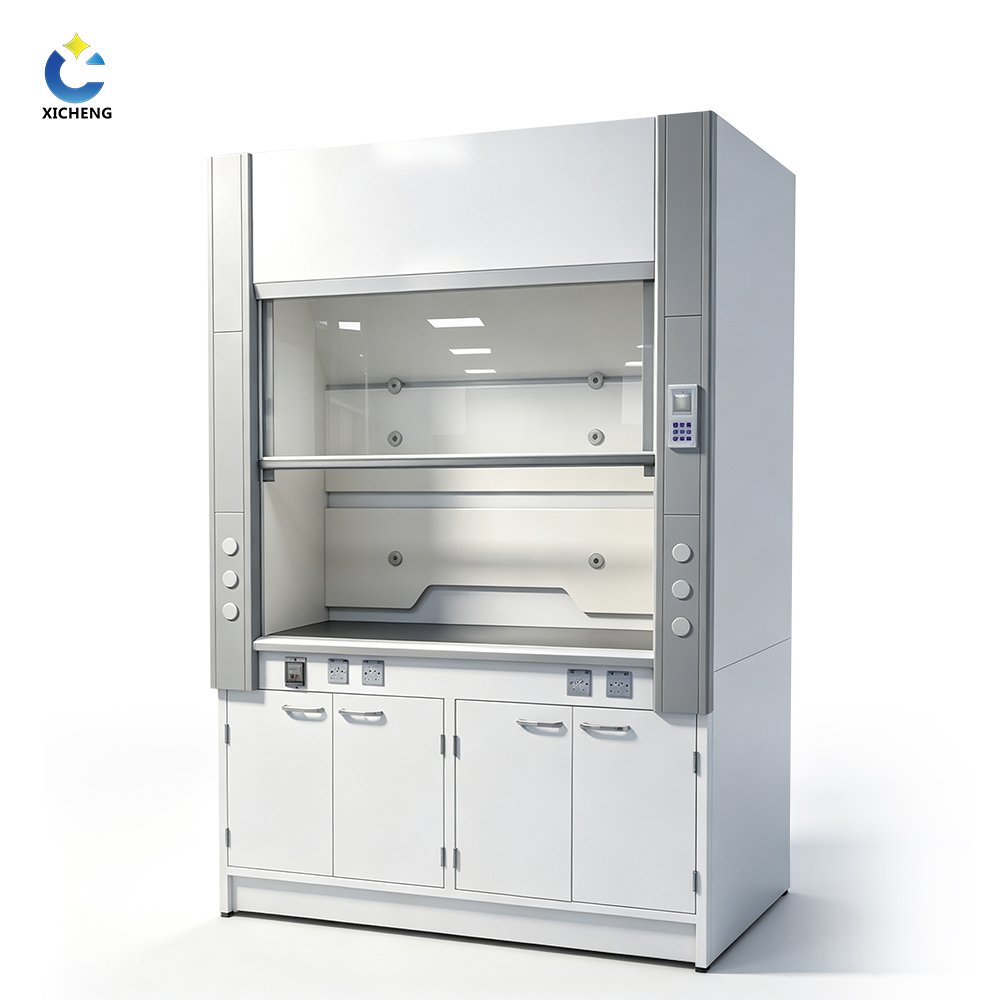
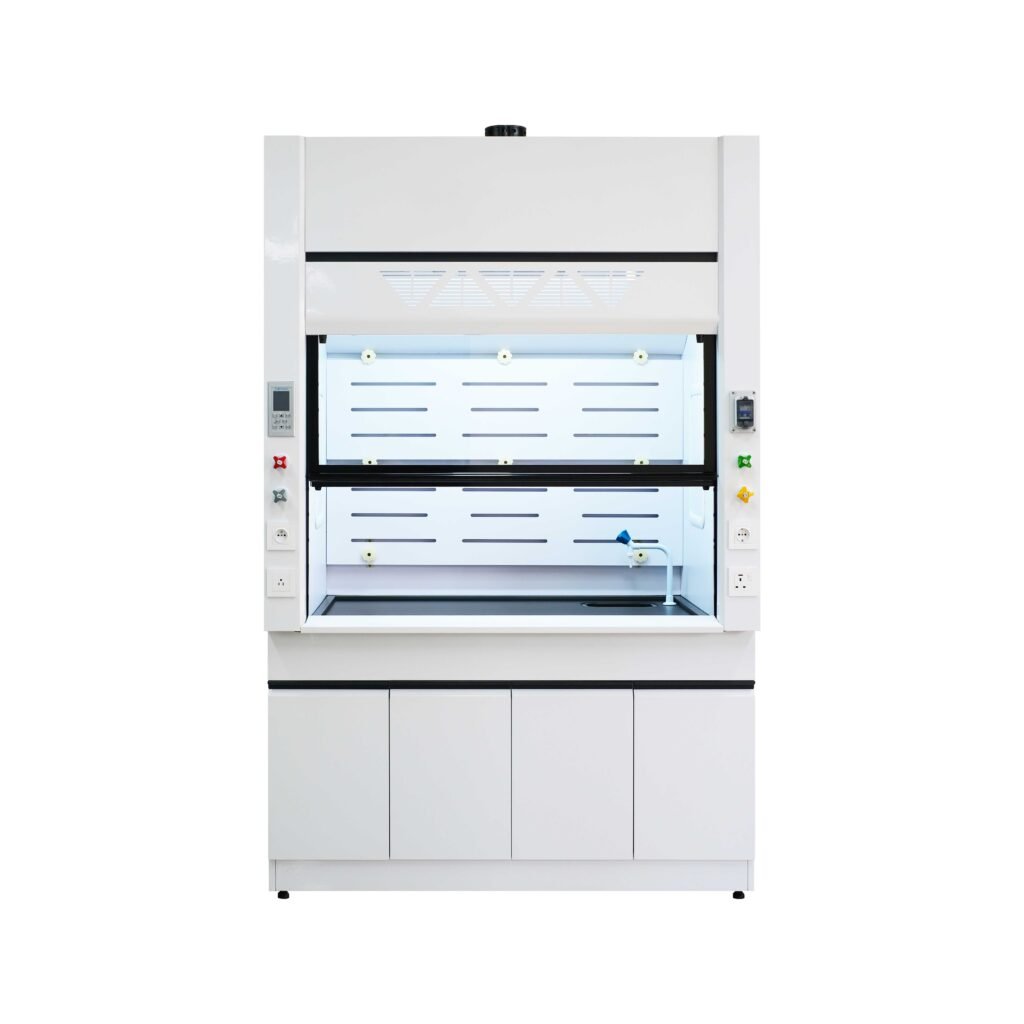
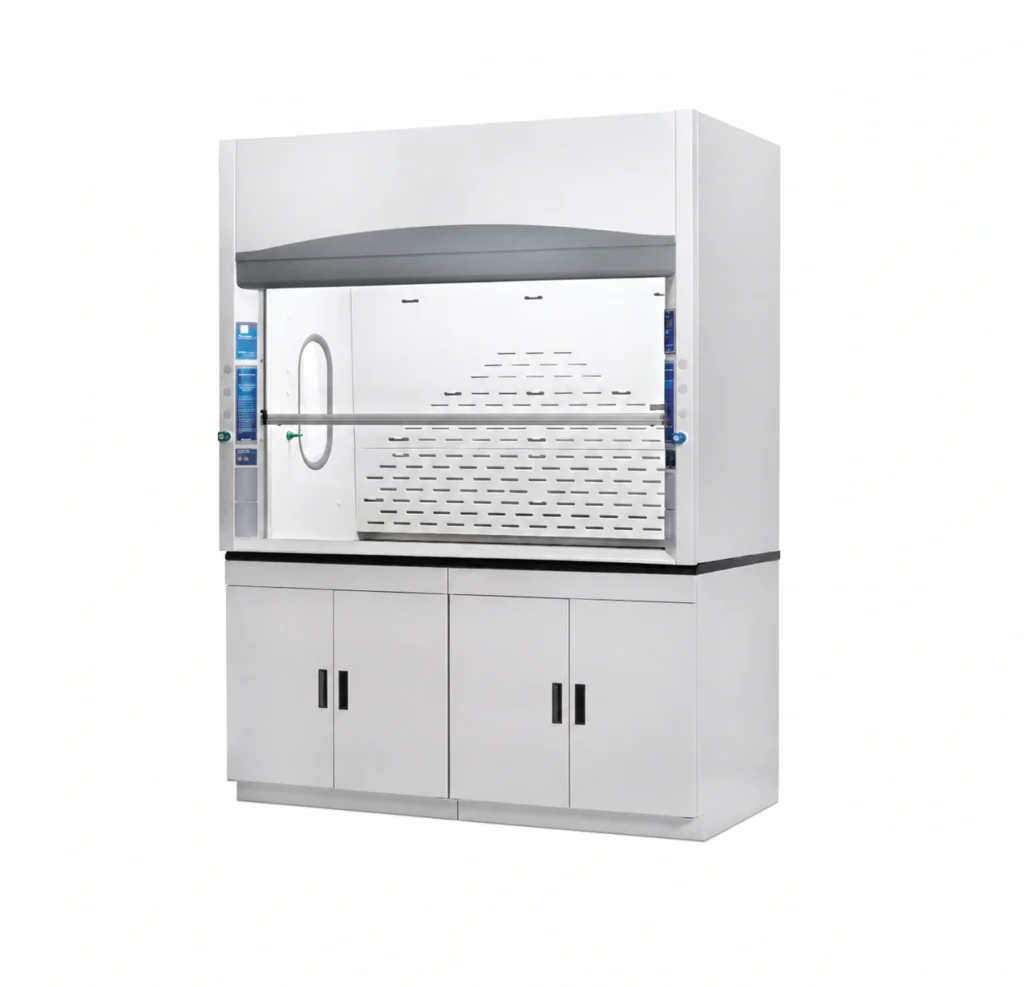
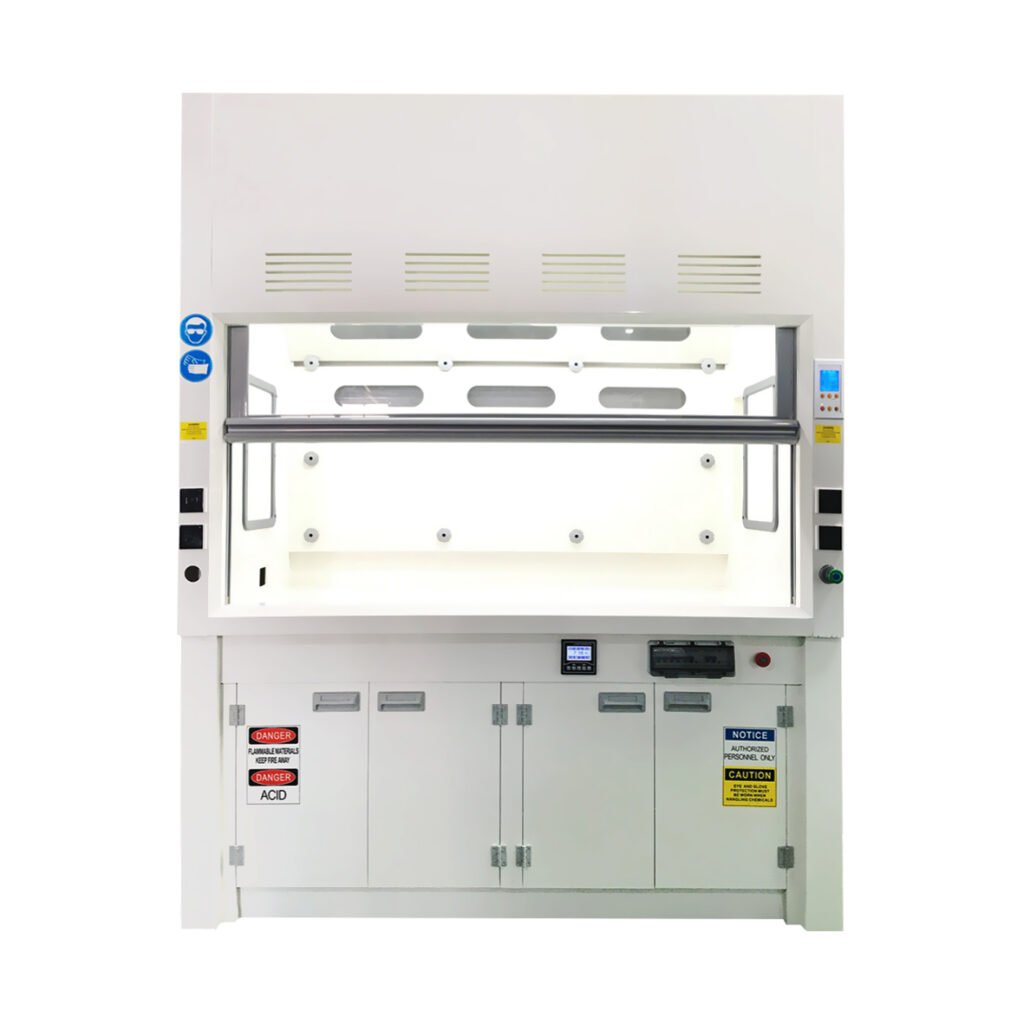
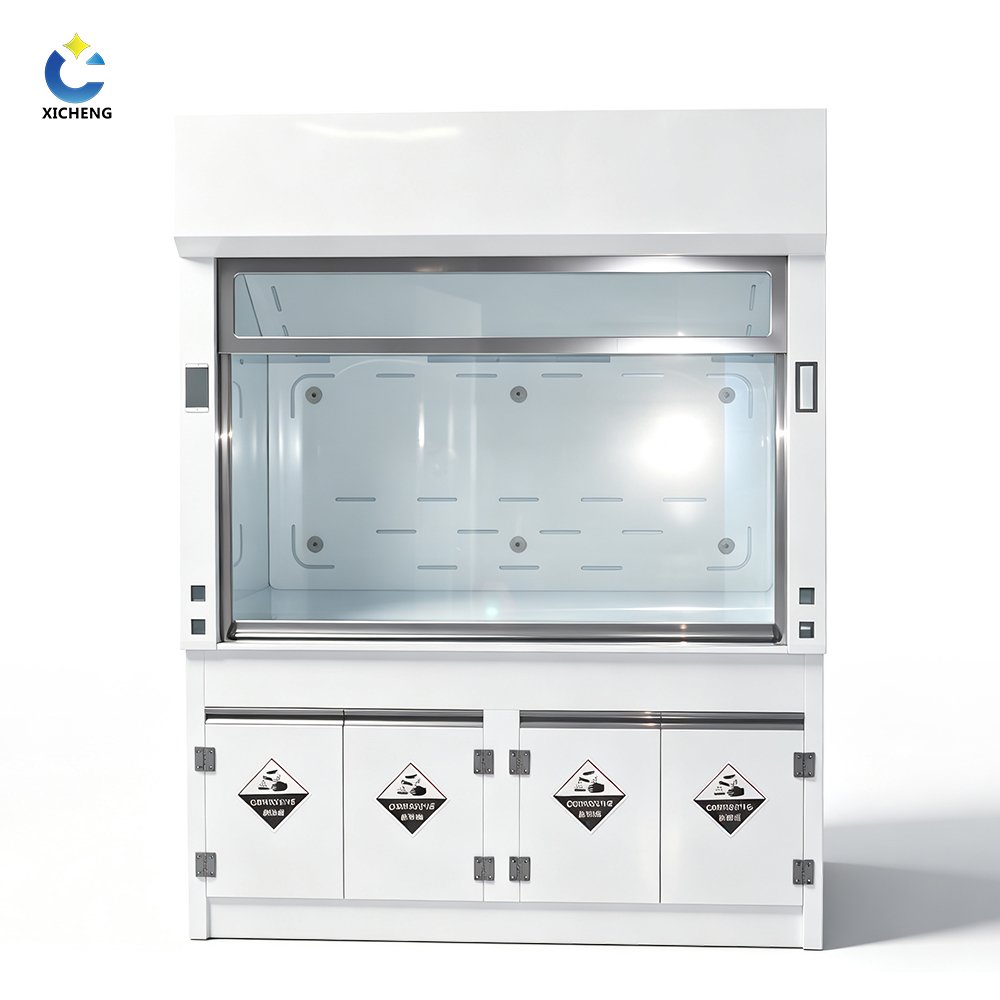
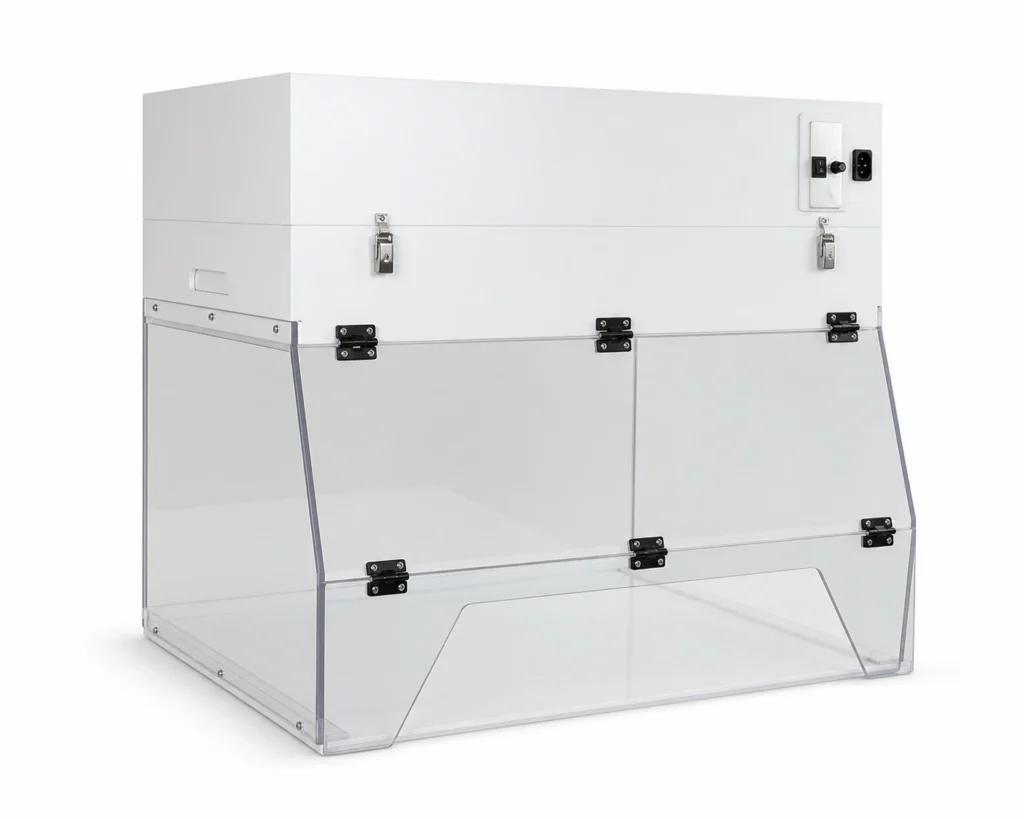
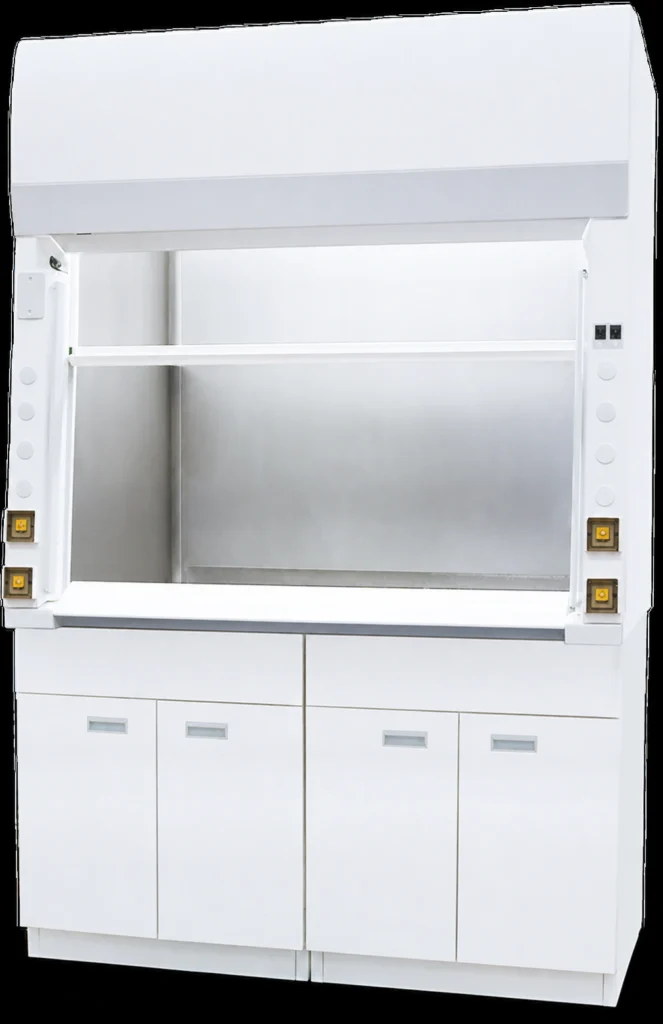
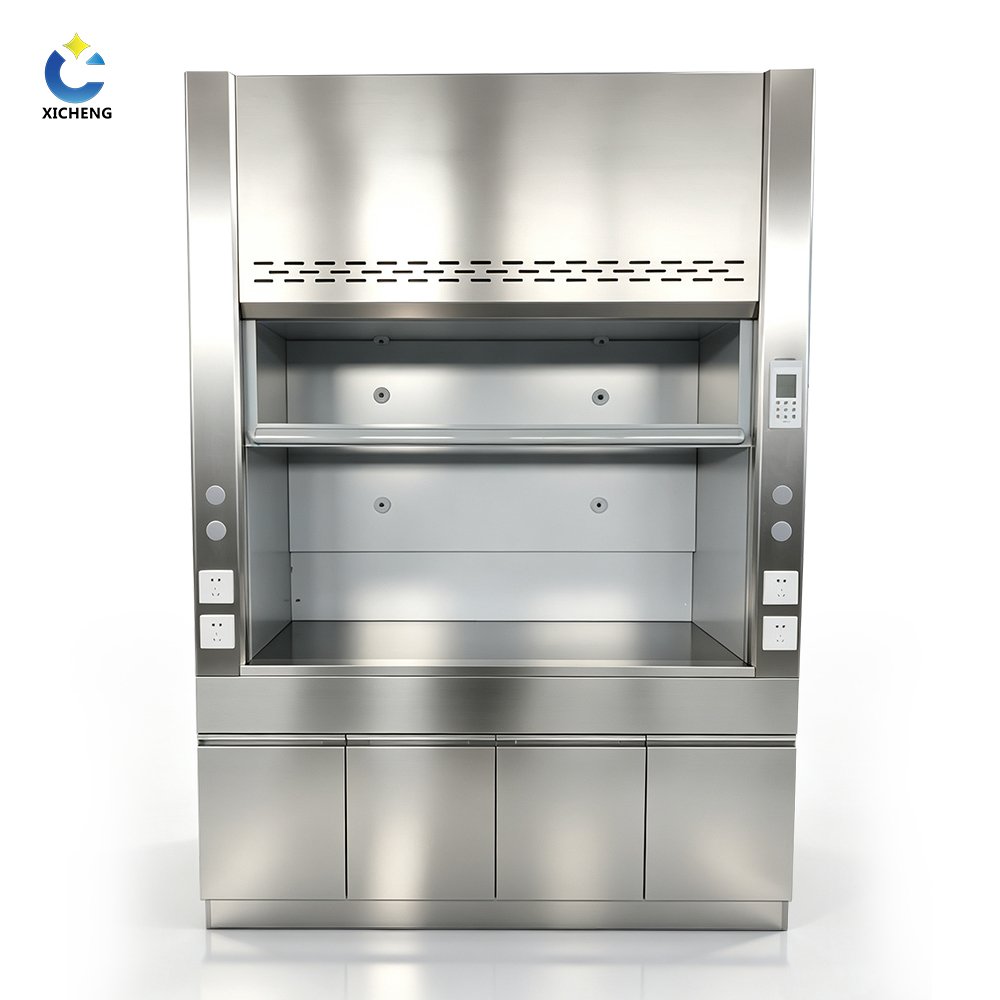
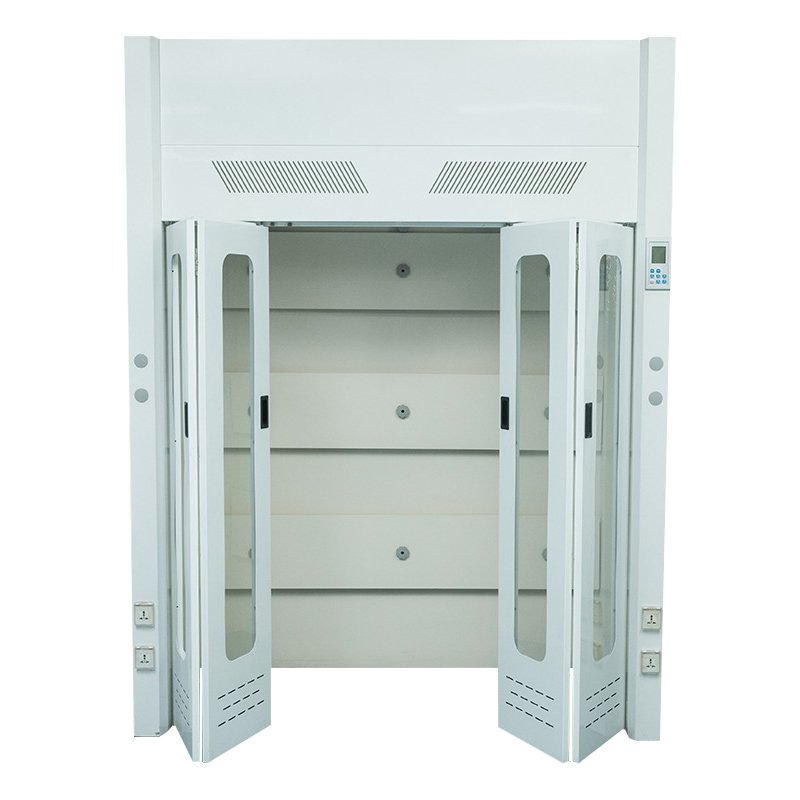
Laboratory Fume Hoods for Process-Specific Chemical Ventilation Laboratory fume hoods are ventilated enclosures that help capture and remove airborne contaminants generated during chemical handling, heating, transfer, and laboratory-scale processing. The correct hood is determined by the hazard, process temperature, equipment size, work pattern, exhaust strategy, and facility requirements rather than by cabinet width or material alone.
Choose the Configuration Around the Actual Process Start with a ducted configuration when contaminants must be discharged through a building exhaust system. Consider a ductless fume hood only after the substances, filter media, loading, monitoring, and replacement plan have been confirmed. Material-specific options include polypropylene fume hoods, stainless steel, FRP, and coated steel. Specialized designs address large equipment, high-clearance distillation setups, acid digestion, perchloric acid work, radiochemical processes, flammable-vapor applications, lower exhaust demand, teaching laboratories, and portable filtered work.
Information Required Before Selecting a Hood Provide the chemical inventory, quantities, operating temperature, procedure, equipment envelope, desired work opening, utilities, hood location, and available exhaust airflow and pressure. Also identify the room air-balance strategy, duct route, discharge requirements, monitoring and alarm functions, base-cabinet needs, and whether CAV or VAV control is planned.
For powered sash movement, position feedback, or anti-pinch protection, review Automatic Fume Hood Sash Systems. For monitors, sensors, panels, and power components, see Fume Hood System Accessories.