

+86 181 2647 8161

Shenzhen Office
COFCO Cloud View Plaza, Hexhuikou Community, Matian Subdistrict, Guangming District, Shenzhen City, Guangdong Province, China
Laboratory Air Valves & Dampers
Filter by price
Showing all 13 results
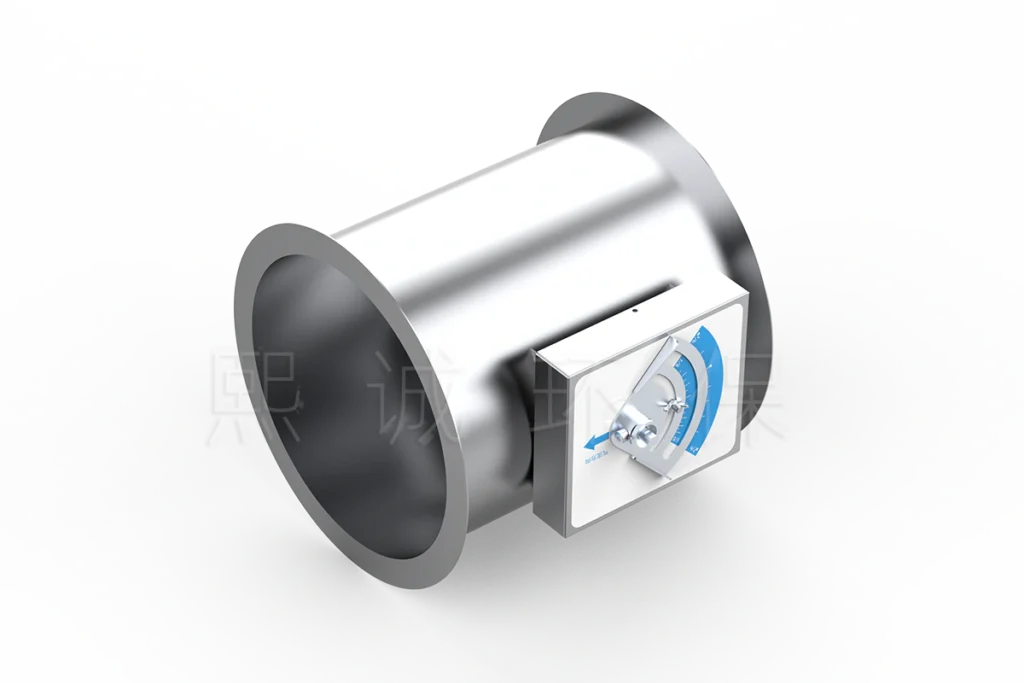
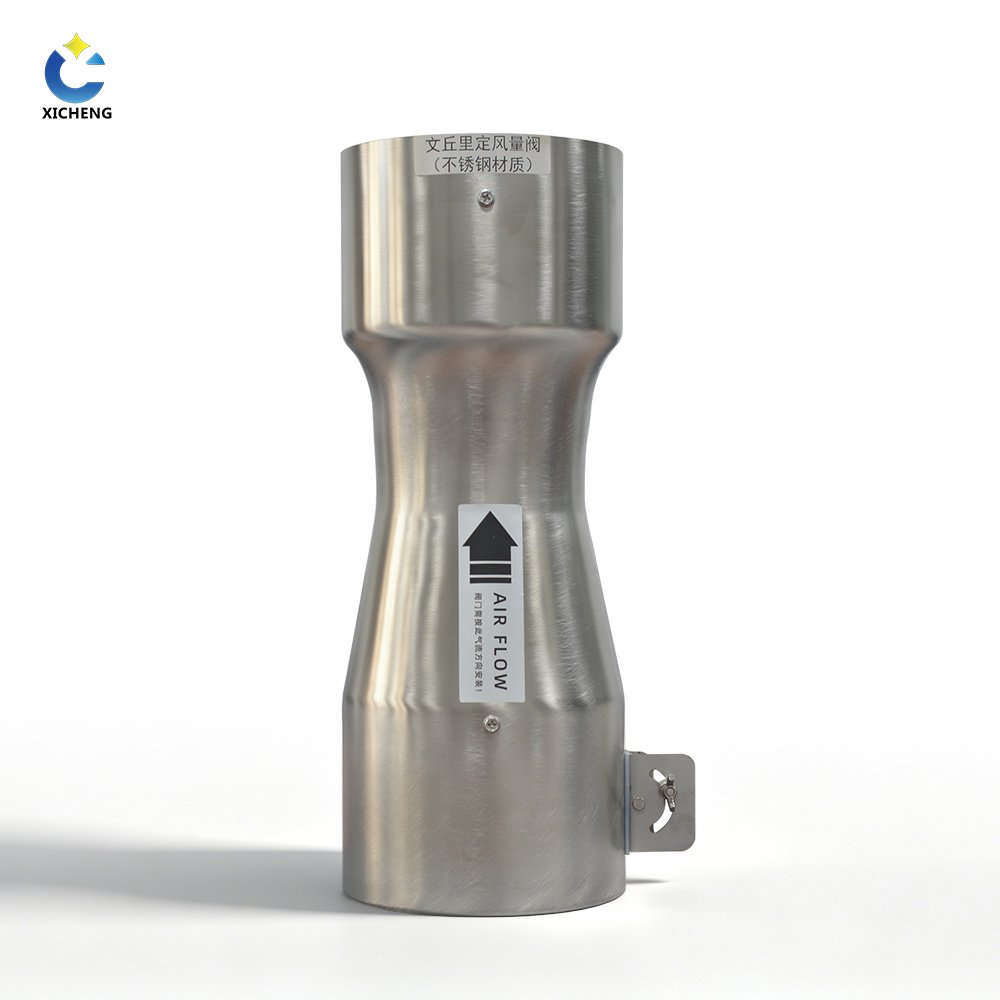
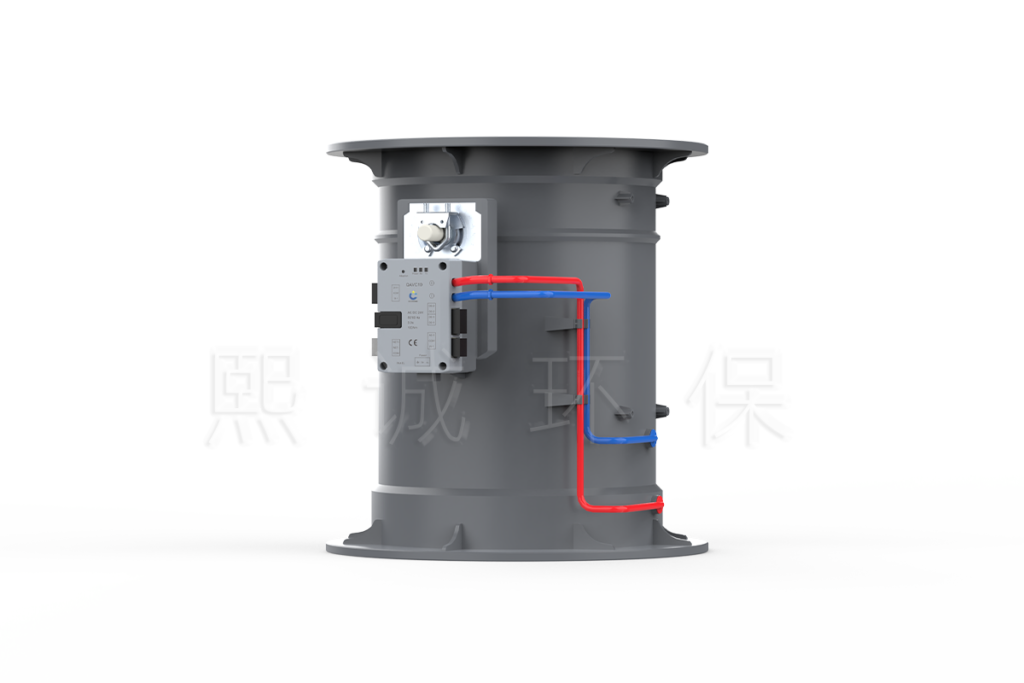
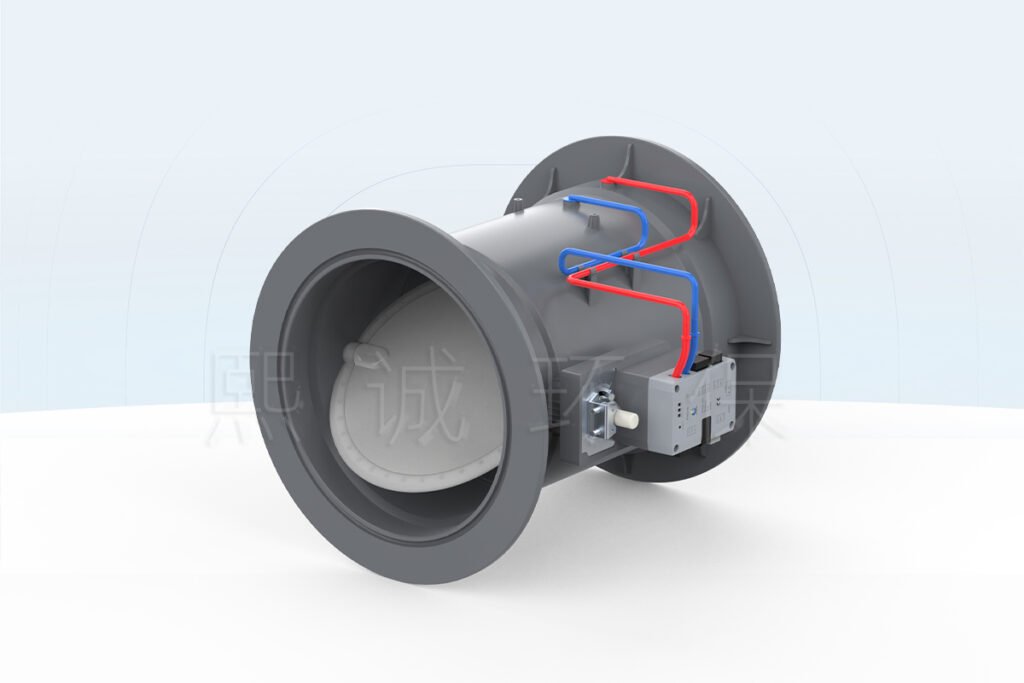
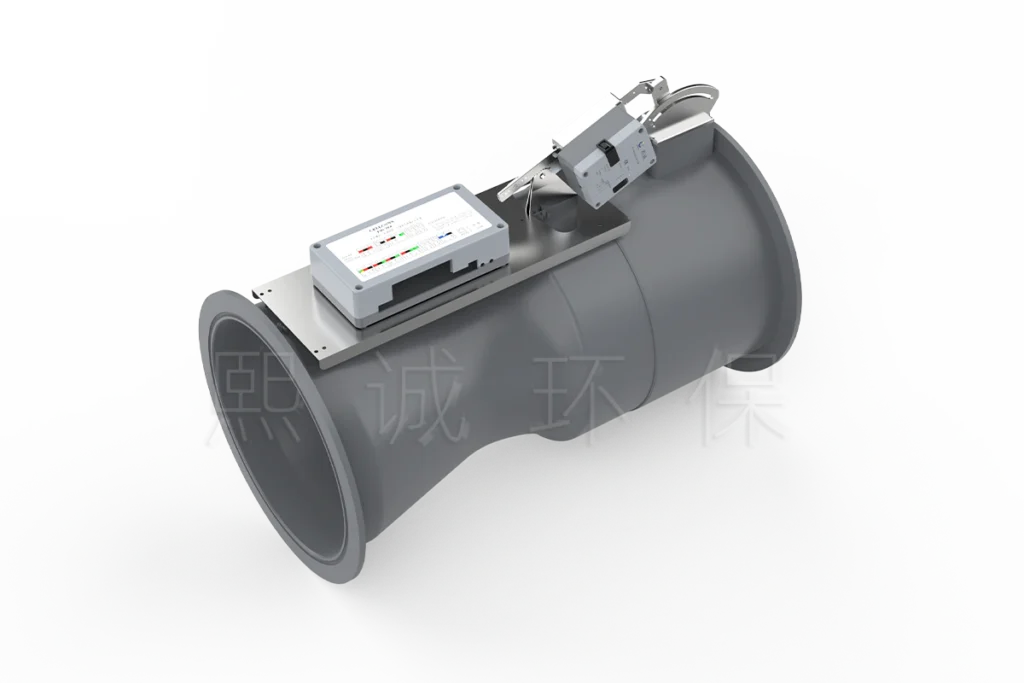
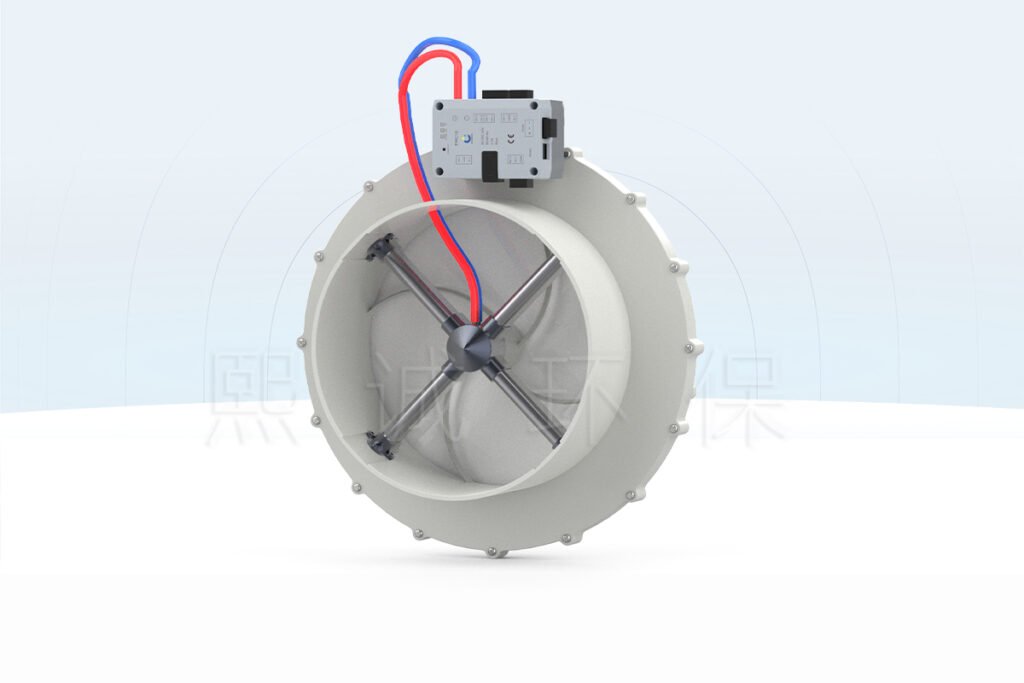
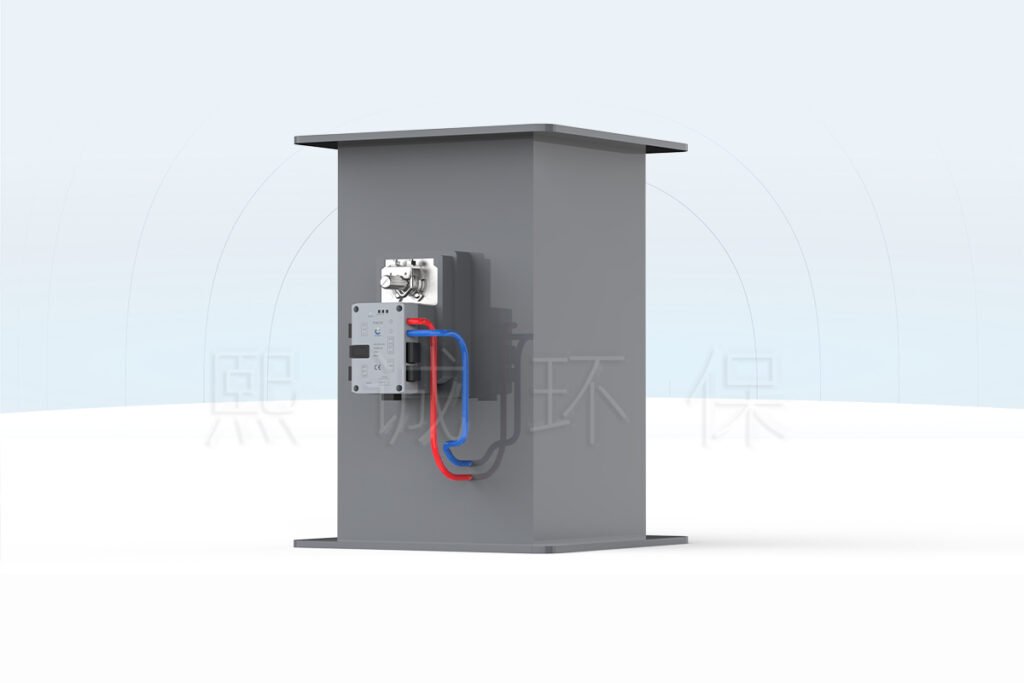
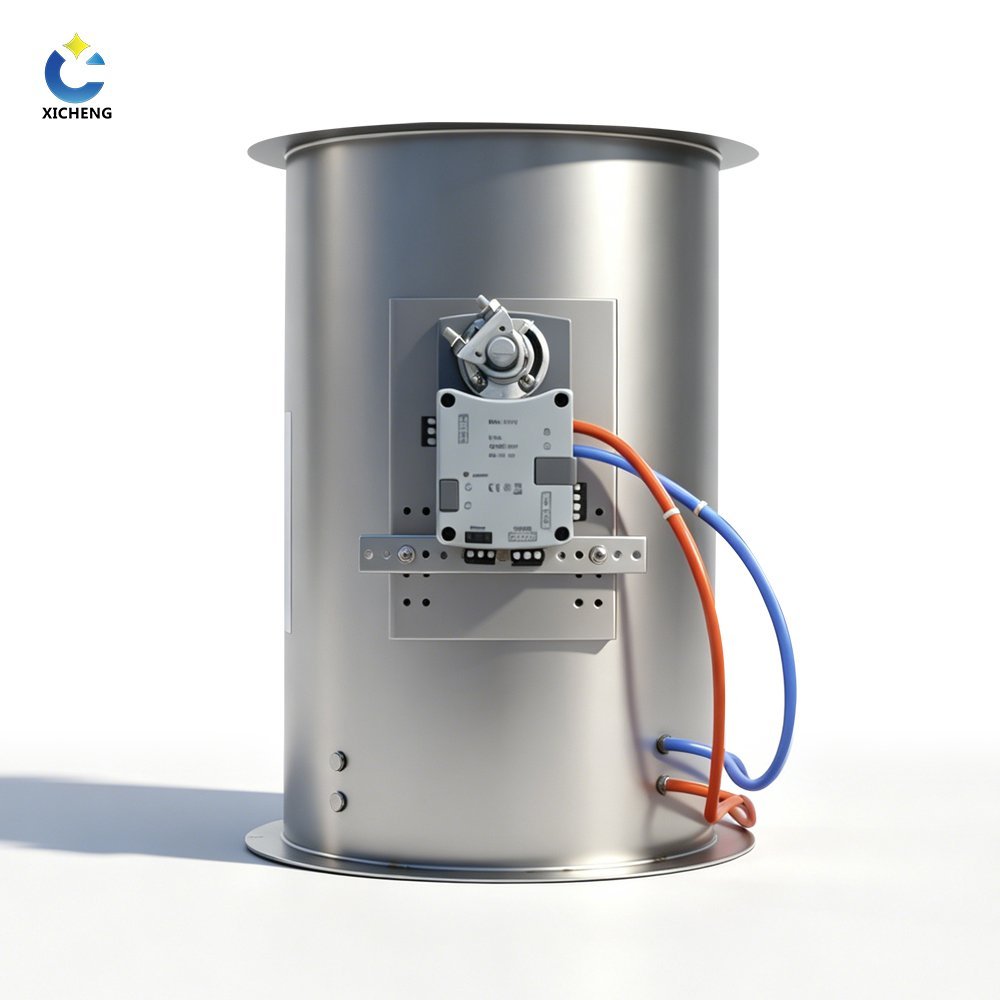
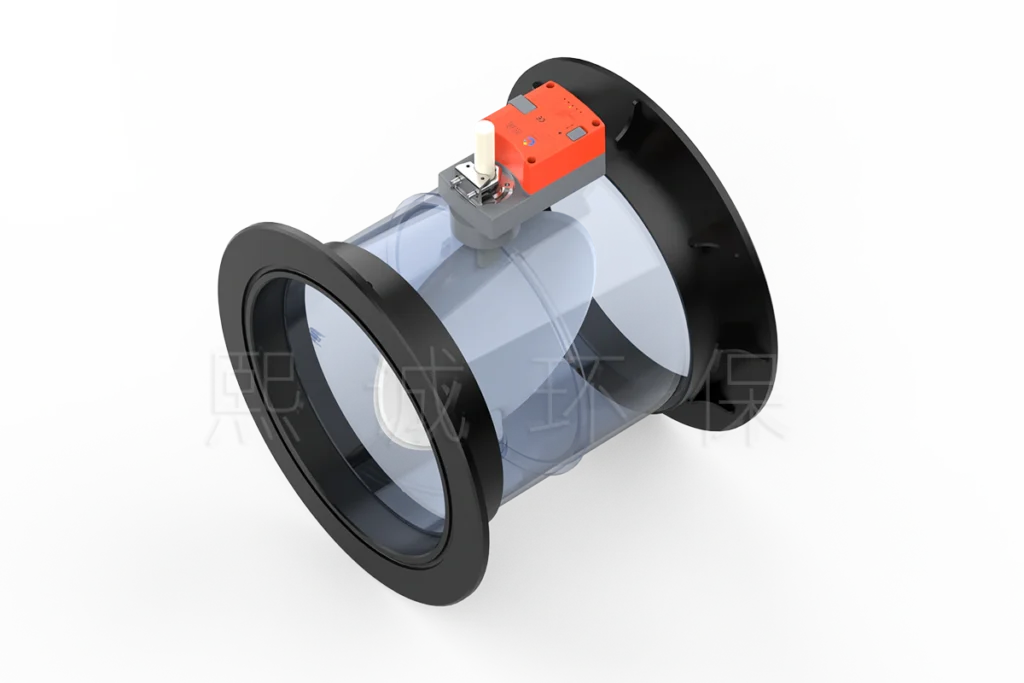
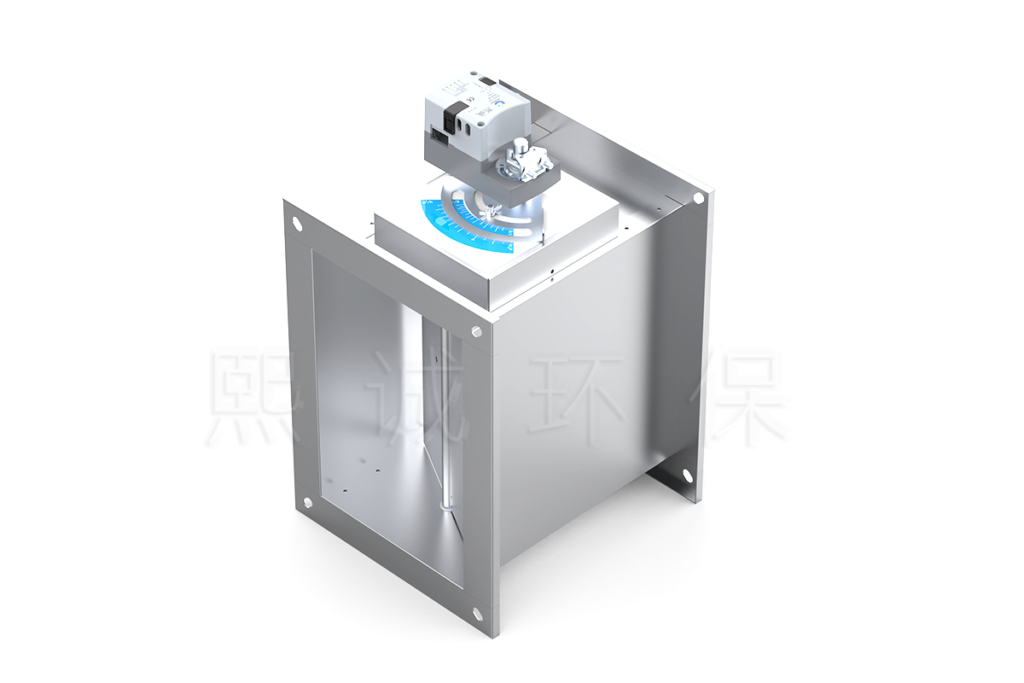
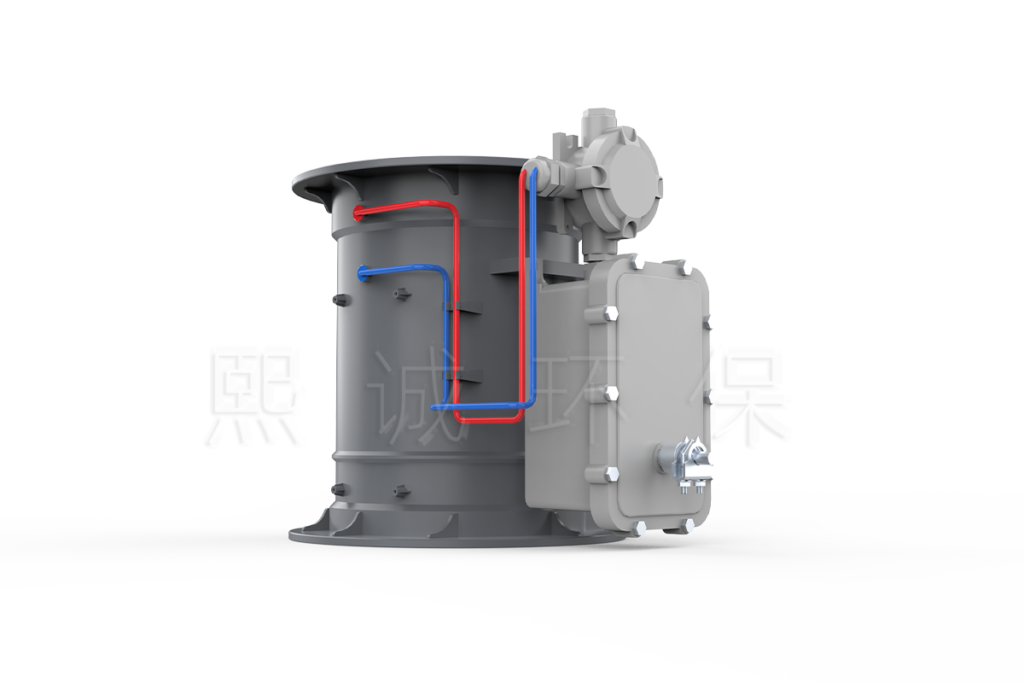
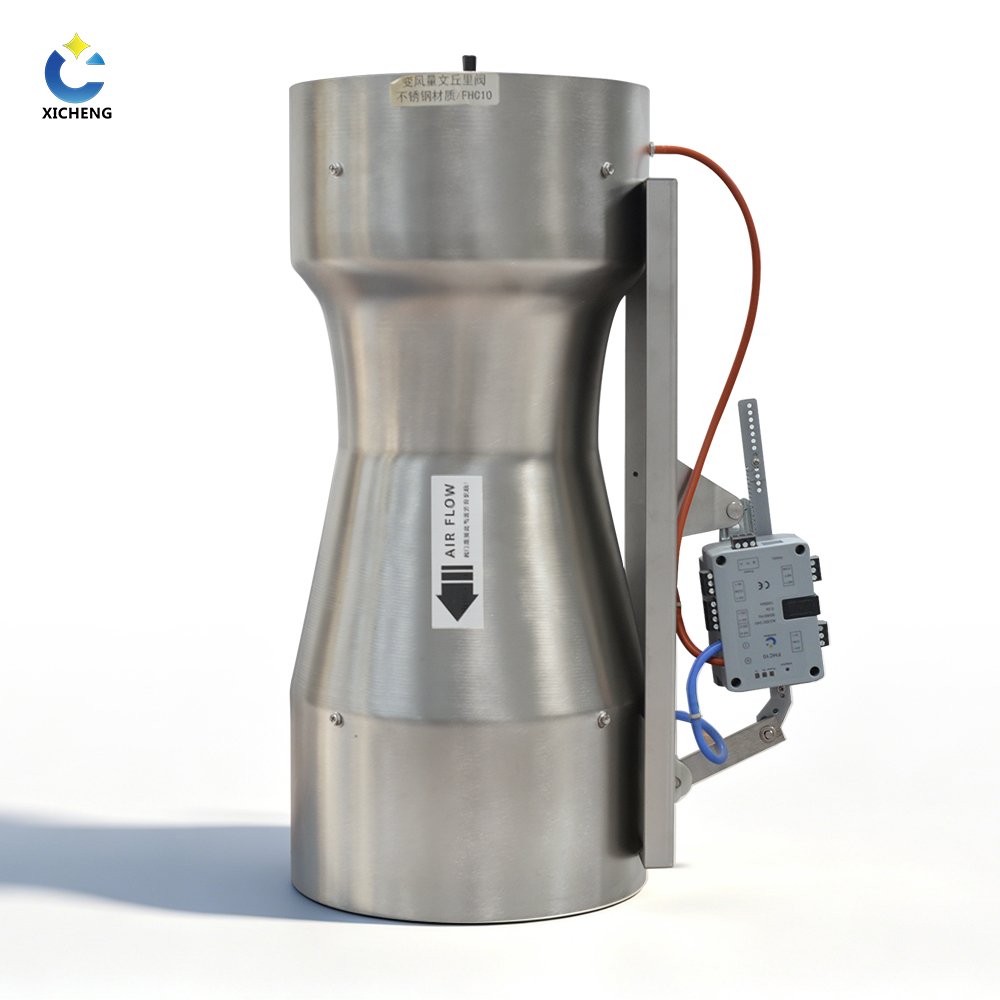
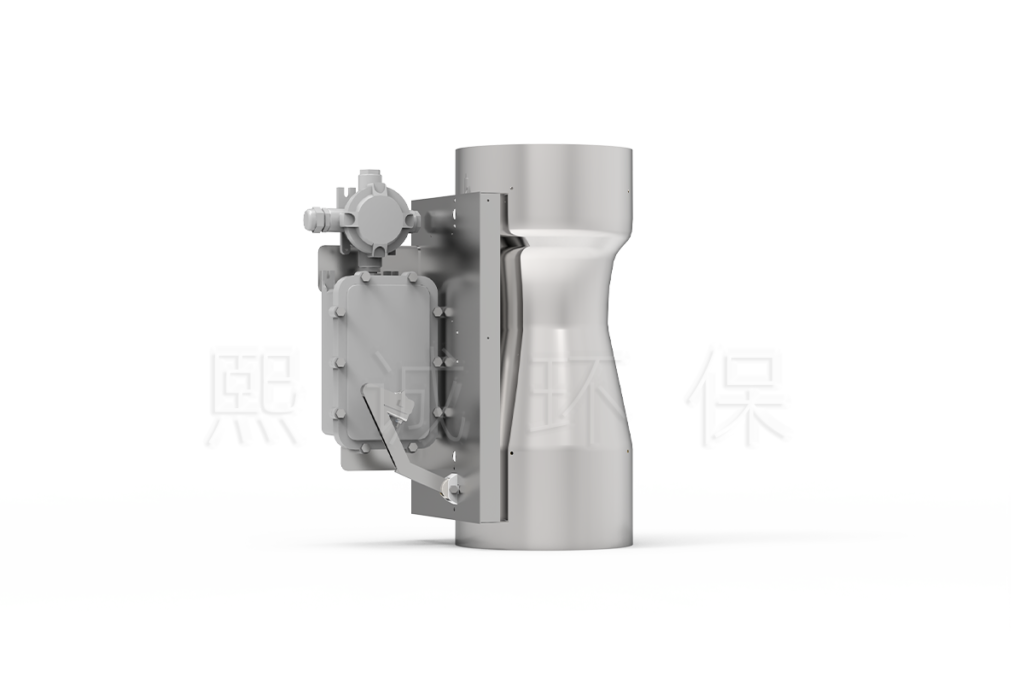
Laboratory Air Valves and Dampers for Branch Airflow Control Laboratory air valves and dampers regulate, balance, or isolate airflow within supply and exhaust ductwork. This category covers pressure-independent Venturi devices, rotating-blade butterfly dampers, iris mechanisms, constant-airflow regulators, two-position CAV dampers, and transparent dampers for applications where the internal position must remain visible. The selected device must match the control sequence as well as the duct connection.
Select the Control Mechanism Before Selecting the Size Venturi Air Valves support CAV or VAV configurations where the specified control package and pressure-independent operating principle are required. Butterfly Airflow Dampers use a rotating blade for manual, modulating, fume-hood, duct, or explosion-proof actuator configurations; actual airflow control depends on the sensor, actuator, and control loop supplied with the damper. Iris Dampers use a concentric aperture and are evaluated by available size, material, actuation, and airflow range. A product name alone does not establish chemical compatibility, fail position, or control accuracy.
Information Required for Valve or Damper Selection Provide minimum, normal, maximum, and emergency airflow; available pressure; duct size and shape; installation orientation; air-stream chemistry and temperature; body, blade, shaft, and seal requirements; connection type; actuator power; command and feedback signals; communication protocol; fail-state sequence; and quantity. Fire, smoke, certified isolation, or liquid-service duties require a product specifically approved for that function and should not be inferred from a general laboratory air-damper description.
Send the duct schedule, airflow calculations, control schematic, point list, and chemical information to the XICHENG engineering team for a tag-by-tag valve or damper configuration review.