

+86 181 2647 8161

Shenzhen Office
COFCO Cloud View Plaza, Hexhuikou Community, Matian Subdistrict, Guangming District, Shenzhen City, Guangdong Province, China
Venturi Air Valves
Filter by price
Showing all 4 results
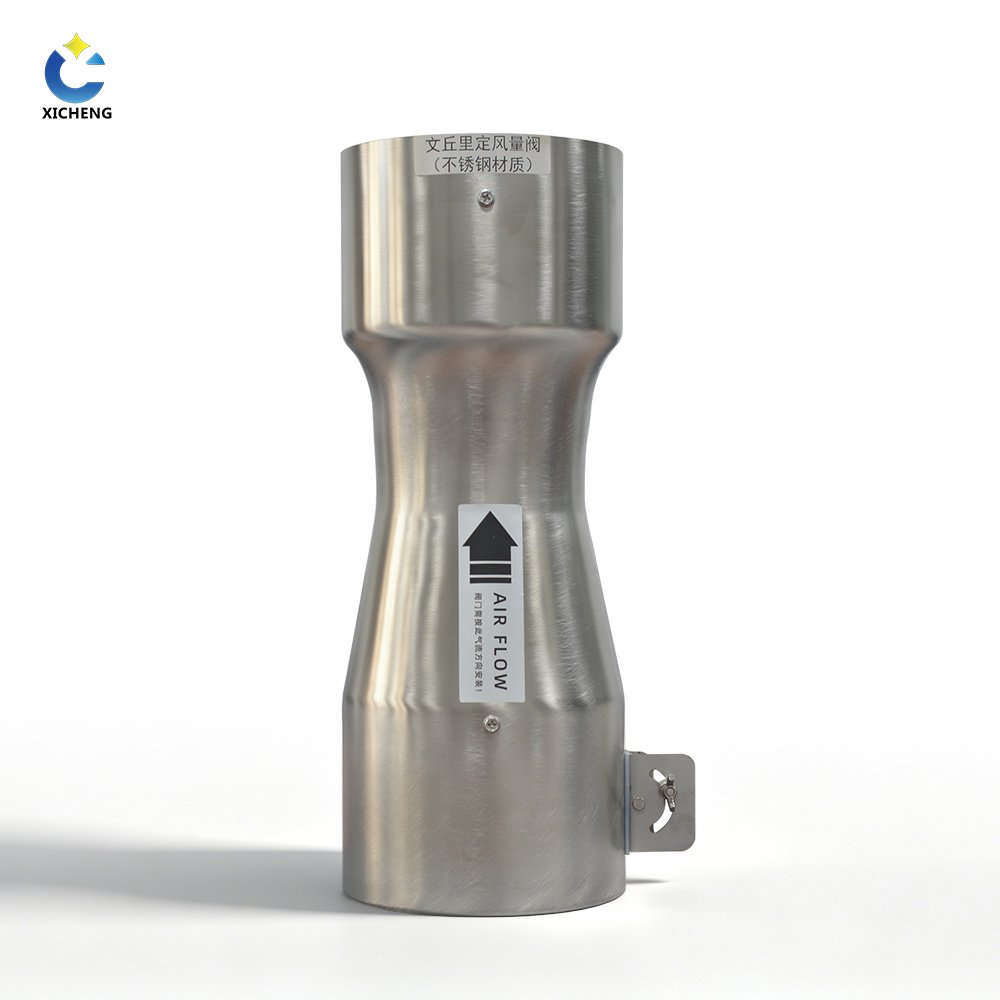
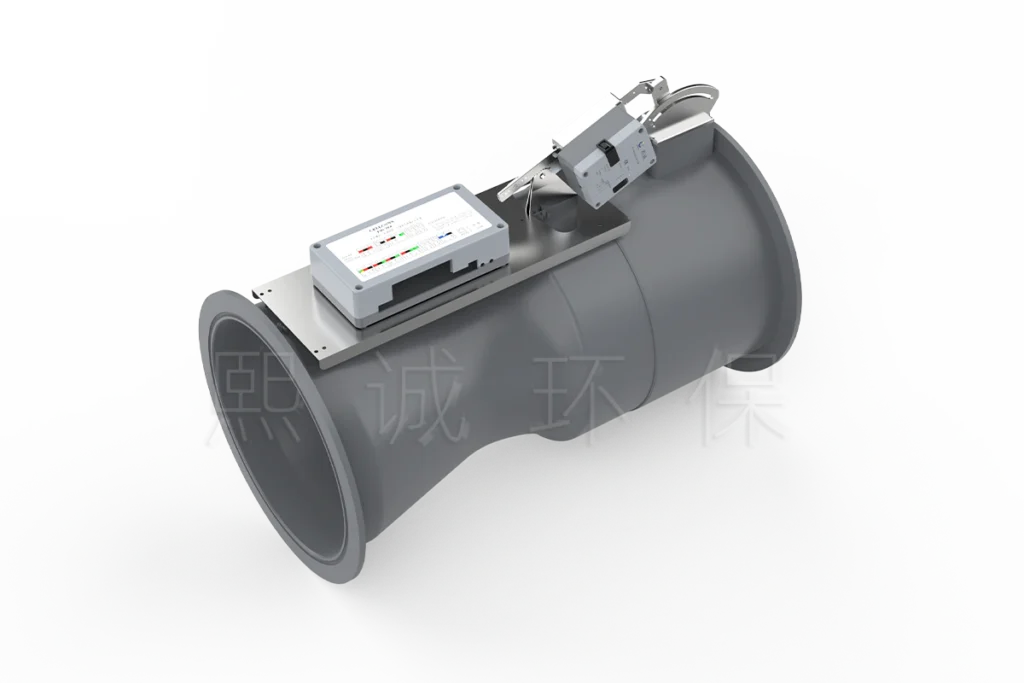
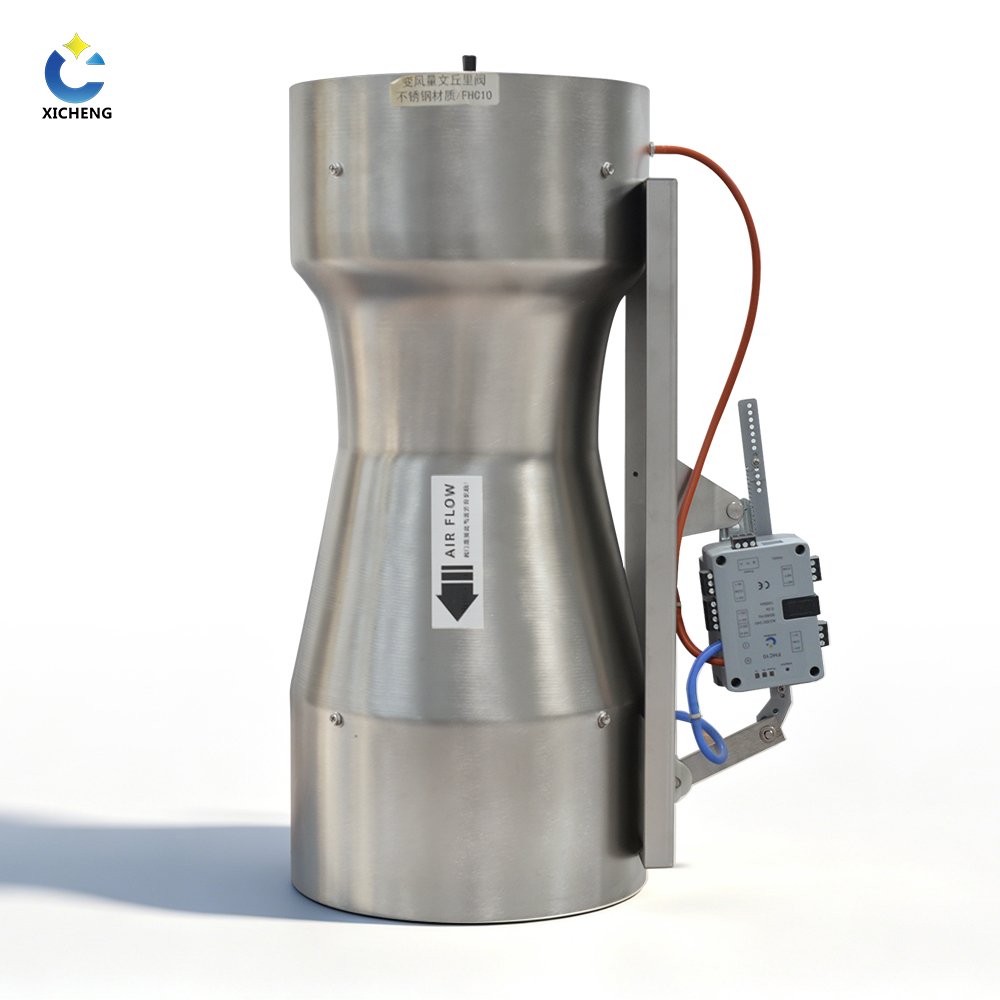
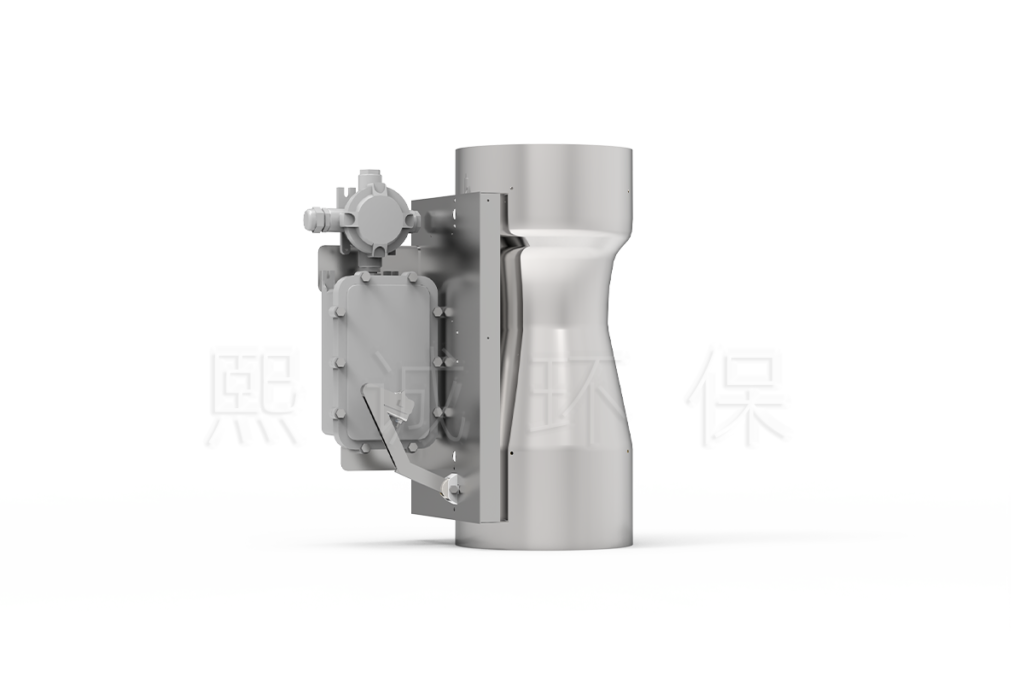
Venturi Air Valves for Pressure-Independent Airflow Control Venturi air valves regulate laboratory supply or exhaust airflow through a characterized Venturi body and a matched control assembly. This category covers variable-air-volume, constant-volume, fume-hood control, and explosion-proof actuator configurations. The valve body, control mechanism, material, airflow range, and actuator package must be selected together for the specified duty.
Choose CAV or VAV from the Control Sequence A constant volume Venturi air valve is used where the design requires a fixed airflow setpoint. A VAV Venturi air valve follows a changing airflow command, while the fume hood Venturi air valve is coordinated with sash or face-velocity control. Where the classified area and electrical design require it, evaluate the explosion-proof actuator configuration rather than assuming a standard actuator is acceptable.
Data Required for Valve Selection For every valve tag, provide minimum, normal, maximum, and emergency airflow; available pressure; duct connection; orientation; air-stream chemistry and temperature; construction material; control signal; feedback; power supply; communication; fail position; and BMS sequence. The project schedule should identify which performance values apply to the selected size and control package.
Venturi valves should not be treated as interchangeable with butterfly airflow dampers. Compare the pressure-control mechanism, installed space, response requirement, measurement strategy, commissioning method, and maintenance access before selecting the valve family.