

+86 181 2647 8161

Shenzhen Office
COFCO Cloud View Plaza, Hexhuikou Community, Matian Subdistrict, Guangming District, Shenzhen City, Guangdong Province, China
Ventilation Ducts
Filter by price
Showing the single result
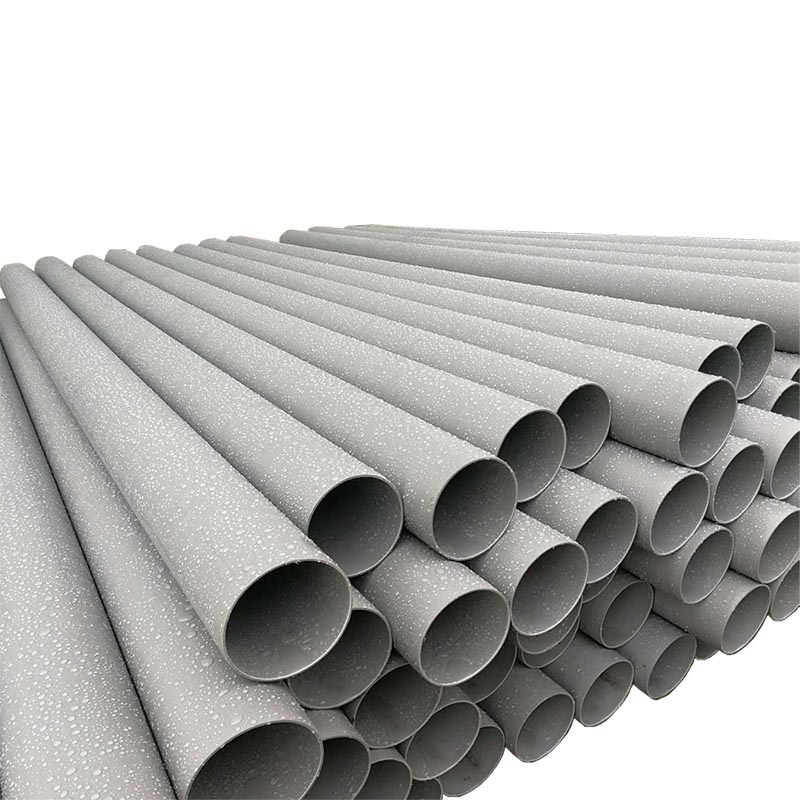
PP and PVC Ventilation Ducts for Laboratory Exhaust Systems Laboratory ventilation ducts convey contaminated air from the capture device to the treatment or discharge point. The PP/PVC ventilation duct range supports compatible chemical exhaust applications in round or project-specific duct arrangements. Material selection and wall construction must be reviewed against the air-stream chemistry, temperature, pressure, outdoor exposure, and facility requirements.
Design the Duct as a Complete Air Path Provide the required airflow, duct route, available pressure, target velocity, section dimensions, connection method, branch layout, elbows and transitions, access points, supports, roof or wall penetrations, and termination. Pressure loss should be calculated across the complete route, including fittings, dampers, treatment equipment, and discharge components. The selected fan must be evaluated against that system resistance rather than the straight duct length alone.
Coordinate Fabrication and Installation Details Define material, thickness or construction basis, joint type, flange details, gaskets, fasteners, support spacing, thermal movement, drainage, cleanout access, inspection requirements, and any leak-test procedure. Confirm how the system is protected from mechanical damage and how maintenance personnel can reach dampers, sensors, and service openings.
Use Duct Fittings for transitions and changes in direction, and select the appropriate manual, motorized, or backdraft damper from the related ventilation-component categories. Duct material compatibility does not establish process safety by itself; the laboratory hazard review, exhaust treatment, fan arrangement, discharge location, room air balance, and applicable codes remain part of the complete design. Submit the duct schedule and layout for a coordinated quotation.