


Description
Key Specifications and First Selection
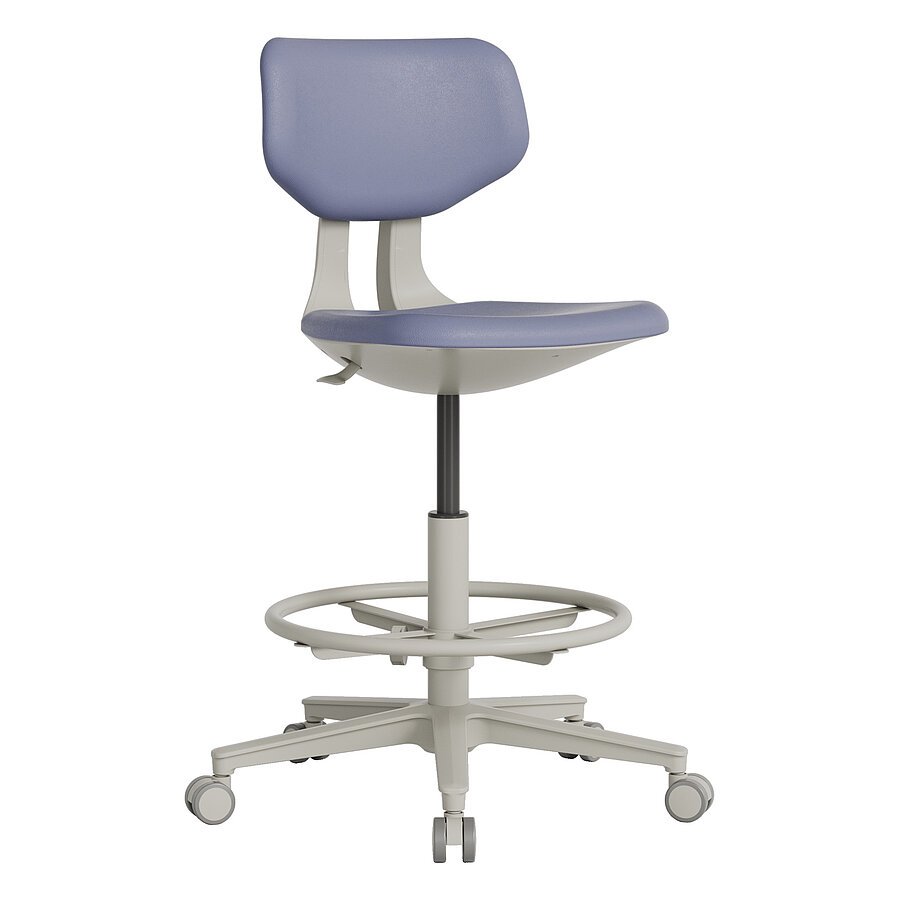
A laboratory stool is selected for compact seating, close approach and controlled movement around a bench or instrument. The first choice is whether the task benefits from a backless seat or a compact backrest. Then select the usable seat range, surface, base and foot support. A stool should not be chosen merely because it is smaller than a chair: the work surface, duration of use and required posture determine whether its compact structure is appropriate.
| Selection field | Decision required | Why it changes the stool | Confirmation before release |
|---|---|---|---|
| Support structure | Backless seat or compact low back | Determines freedom of movement and limited support | Task duration, reach and operator preference |
| Work height | Low, standard or high stool range | Determines gas lift, footring and base selection | Finished bench height and lower clearance |
| Surface | PU, urethane or upholstered seat | Changes cleaning method and comfort | Cleaning products and possible spills |
| Base | Casters, glides, footring and control method | Changes mobility and stability | Floor, movement frequency and elevated-work condition |
Reference ranges and their limits
Individual laboratory-stool configurations publish ranges such as 450-650 mm for a backless model, 560-810 mm for a high compact-back model, or 23-33 inches for separate high stool designs. A 400 x 370 mm seat, 600 mm base or 400 mm footring can also occur in individual configurations. These are separate reference arrangements. The delivered lab stool must state the selected gas lift, seat, base, mobility components and foot support as one configuration.
Choose the stool from the work position
Measure the bench height, the space below it, the operator’s foot position and how often the user turns or changes stations. A high laboratory stool needs stable foot support and sufficient base clearance. A low stool may be more suitable for microscope or instrument tasks where a user must approach closely. Test the normal operating position with the intended work item rather than selecting only from a catalogue height range.
Product boundary
For sustained back-supported laboratory work, assess the separate laboratory chair. Where cleanroom or electrostatic-control performance is an order condition, use the cleanroom laboratory chair pathway. A wipe-clean stool surface alone does not establish either special-environment condition.
Purchase decisions that should be made first
Start with the installed work height, then confirm the desired operating posture and how long users remain seated without standing. Decide whether the stool must roll during use or remain in one position, and whether the operator’s feet can be supported at every expected seat height. Only after those questions are answered should the order select PU versus upholstery, a compact back, a specific caster arrangement or a colour. This avoids buying a visually suitable stool that does not work at the actual bench.
Seat Height and Compact Support
The usable stool height is the relationship among the seat, the work surface, the operator’s feet, knees and reach to the task. A pneumatic range is useful only when it covers the real operating position without forcing the user to perch, reach upward or leave the feet unsupported. High stools need the same careful review of foot support and base stability as any elevated seating arrangement.
Backless and compact-back structures
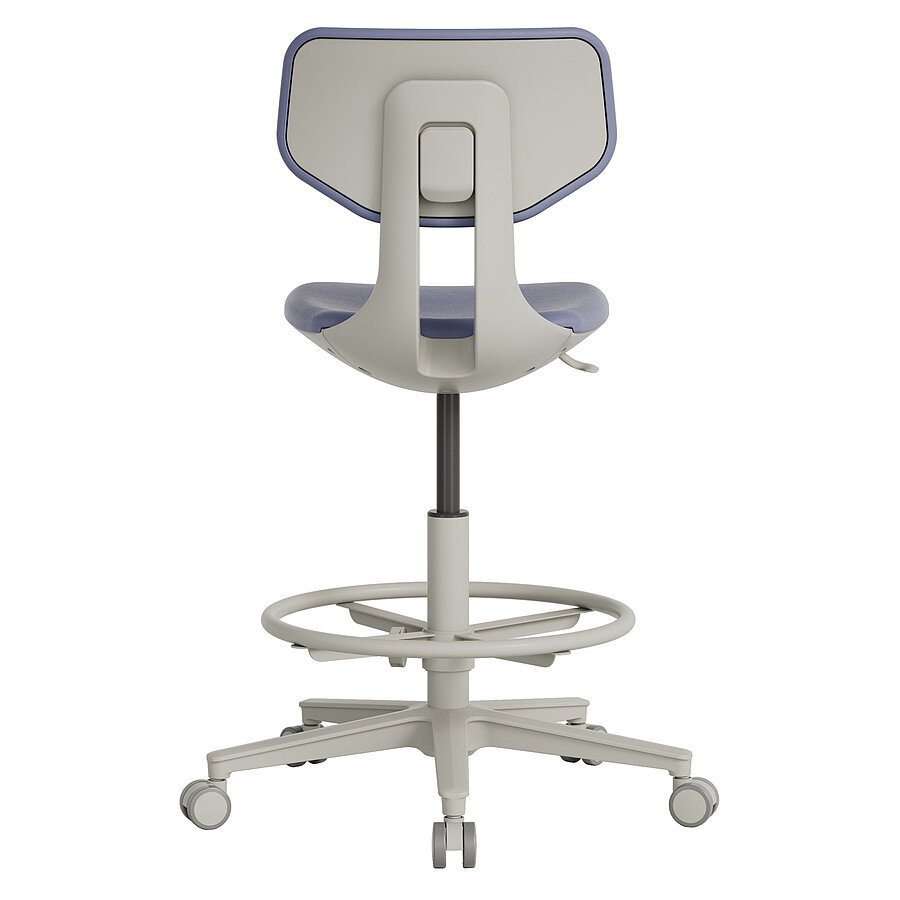
A backless laboratory stool gives the operator freedom to rotate and approach a bench from different angles. It can be suitable for short or intermittent tasks. A compact-back stool can give limited support while retaining a smaller envelope than a full task chair. Neither option should be described as universally suitable for long, continuous seated work; the intended duration and motion determine the appropriate structure.
Low, standard and high work positions
Low and standard stool ranges are normally considered around ordinary benches and instruments. High stools are used at elevated counters and need a compatible footring or footrest. Check whether the operator needs to slide beneath an overhang, operate a foot switch, turn between stations or stand repeatedly. The correct stool height supports the task while allowing a stable exit and re-entry position.
Seat shape and front-edge clearance
Round and shaped seats can affect how closely a user approaches a bench. A compact seat may improve access in narrow layouts, while a larger seat may suit a less mobile task. Review the seat diameter or width, thickness and front-edge condition with the actual workstation. Avoid treating an external seat dimension as the same thing as the usable seating area.
Operator adjustment and shared laboratories
In shared rooms, controls should be easy to identify and set. Record the usual working height for each bench group and ensure users can adjust the stool without moving it into an unsafe or impractical position. Where several stool types are supplied, labels or room schedules can prevent high stools, low stools and special-environment seating from being mixed inadvertently.
Entry, exit and stability at high benches
High stool use adds an entry and exit requirement that is not visible in a simple dimension list. The user must be able to place a foot on the ring or support, sit down and stand up without catching the base on a cabinet or applying a sideways load to the stool. Check the space behind the workstation, especially where stools are used in an aisle or beside another operator. If the task requires repeated rapid entry and exit, a different bench height, stool range or glide arrangement may be more practical than simply selecting the tallest gas lift.
Compact support is not a full task-chair backrest
Some laboratory stools use a small backrest to offer occasional lumbar contact while retaining a narrow turning envelope. That feature can help during a pause or short instrument observation, but it should not be presented as equivalent to the wider, more adjustable backrest of a task chair. Compare the expected sitting period, degree of forward reach, need to turn, and available clearance before deciding between a compact-back stool and the full laboratory chair.
Materials, Base and Mobility Selection
Laboratory stool surfaces can use integrated polyurethane, urethane, seamless covered foam or upholstered structures. The correct selection depends on the actual cleaning process, spill risk, user comfort and frequency of use. A material description must be accompanied by information about seams, exposed mechanisms, cleaning agents and the final components supplied.
Surface and cleaning selection
Integrated PU and urethane seats are often selected where a smooth wipe-clean surface is needed. Upholstered stool surfaces may be appropriate in dry areas where the cleaning routine and task allow them. Ask for the cleaning products, disinfectants and contact materials before finalising the surface. Do not convert a general wipe-clean description into a claim of compatibility with every chemical, disinfectant or cleanroom procedure.
Five-star bases, casters and glides
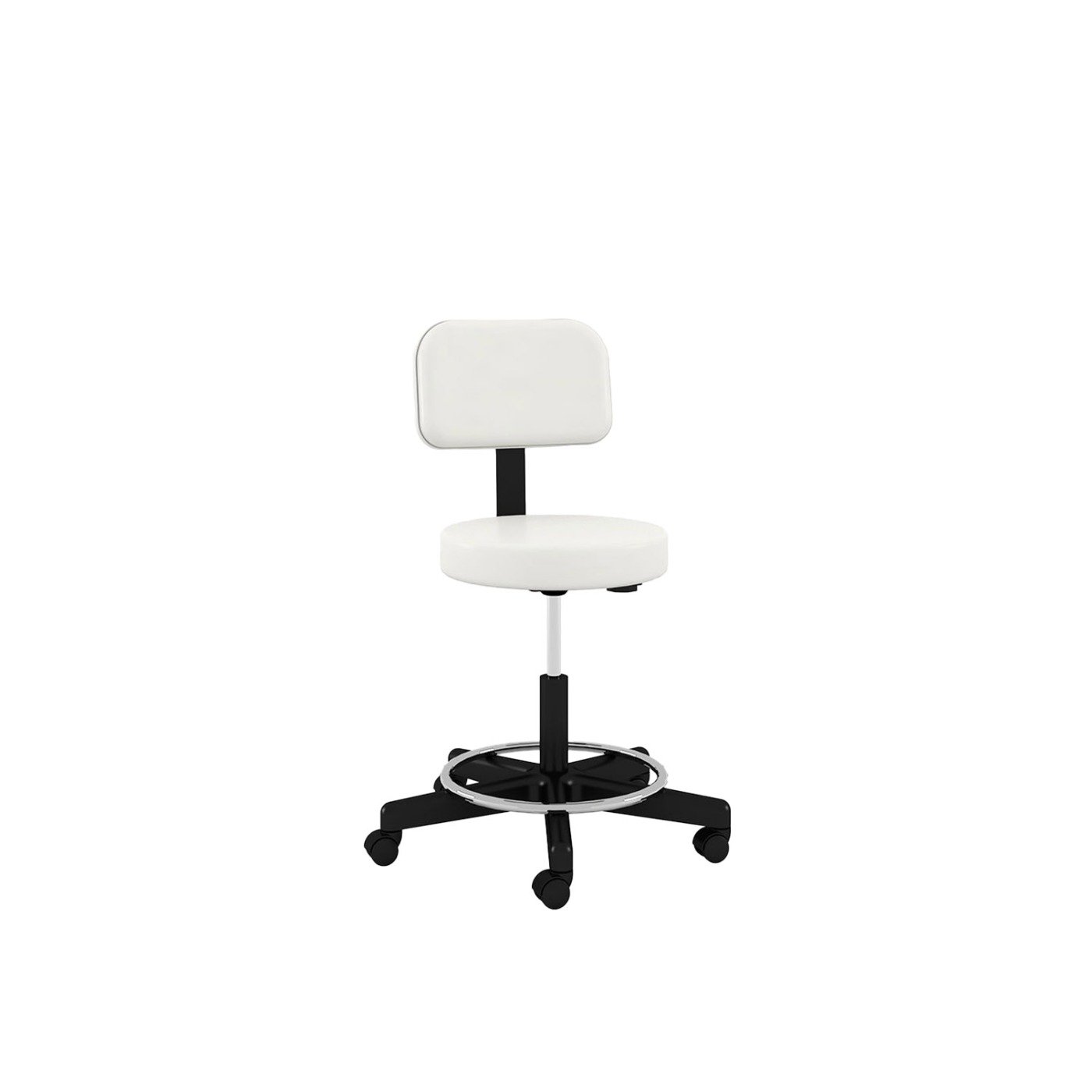
Five-star bases are common across adjustable stools, but diameter, material and wheel arrangement vary by configuration. Casters may assist movement between work positions; glides may be more suitable when the stool should remain at a fixed high bench or instrument. The base must clear furniture, floor transitions and the user’s feet while maintaining the stability appropriate to the selected stool height.
Mobility is a functional choice
Choose casters from the floor finish, cleaning routine and amount of repositioning required. Select glides where the stool needs a predictable fixed location. Where a brake is specified, identify its operating condition and confirm it on the installed floor. A stool that rolls easily in an empty demonstration area may be unsuitable beside a high bench, a narrow instrument station or a frequent foot-control task.
| Component | Selection purpose | Project input | Confirmation needed |
|---|---|---|---|
| PU or urethane seat | Smooth laboratory seating surface | Cleaning products and contact conditions | Final surface, seams and care instructions |
| Upholstered seat | Comfort for selected dry tasks | Shift duration and cleaning approach | Cover construction and replacement scope |
| Casters | Controlled repositioning | Floor type and movement frequency | Wheel material, diameter and brake logic |
| Glides and base | Fixed positioning or elevated work | Stool height, floor and bench approach | Base diameter, foot support and stability |
Maintenance and replacement planning
Inspect the gas lift, wheels or glides, footring and adjustment mechanism during normal maintenance. A replacement component should retain the intended height and mobility condition rather than merely fitting the seat. Keep the selected stool configuration together with the room or workstation record so that replacement parts are chosen consistently.
Surface condition after repeated cleaning
Repeated wiping can affect the appearance and feel of a seat long before the stool’s frame requires service. Ask which parts of the stool are exposed to the cleaning routine: the seat surface, compact back, gas-lift cover, footring, base and caster housings may need different care. Check whether the cleaning procedure leaves residues that make the seat slippery or damages a wheel material. A configuration request that records the expected cleaning frequency gives a supplier a clearer basis for selecting the appropriate surface and components.
Base clearance and load path
The base supports more than the seat; it must accommodate the user’s movement, the selected footring and the forces created when a person turns or reaches to one side. Keep the base clear of floor-mounted services, pedestal legs and storage units. A stool parked beneath a bench may need a different base spread from one used in an open inspection area. The required stability should be checked at the selected seat height and operating position, not only at the stool’s lowest setting.
Footring, Controls and Accessory Options
Foot support and adjustment controls are central to a high laboratory stool. They should be selected for the actual bench height and movement pattern rather than added after the base has been chosen. The user must be able to climb on and off the stool, rest the feet and reach the work surface without using unstable furniture or the bench frame as a foot support.
Footring position and elevated work
A footring can be fixed or adjustable depending on the stool configuration. Check its diameter, height, clearance around the base and relationship to the bench. The stool should not force the knees against the work surface or leave the feet hanging during a sustained task. A footring is generally associated with high stool arrangements; it may interfere with a low stool used for close microscope or sample work.
Pneumatic, mechanical and foot-operated adjustment
Pneumatic height adjustment is common, while some stool families use a foot-operated control where reducing hand contact with the adjustment lever is useful. Mechanical screw adjustment is another possible arrangement. The delivered stool must state which control is supplied, its usable height range and any maintenance requirement. Do not describe a hands-free control as standard unless it is part of the selected configuration.
Compact backrests and turning clearance
Where a compact back is selected, confirm its height and position against the operator’s turning movement. It may give occasional support without the full envelope of a task chair, but it can still interfere with approach to a bench or passage behind the stool. In confined layouts, a backless seat or smaller base may be more practical. The selection should follow the operating route, not a generic preference for more components.
Optional colours and identification
Colour, room labels and asset identification can help a laboratory manage seating groups, but they do not alter the technical class of the stool. For mixed rooms, record which stools are low, high, backless or compact-back, and which use casters or glides. This gives users and maintenance staff a simple way to return the correct stool to the intended workstation.
Foot-operated height control
A foot-operated adjustment arrangement can be considered when the working procedure makes it preferable to avoid handling a control lever directly. It is not required for every laboratory stool and does not replace normal cleaning or maintenance practice. When requested, define the operating method, expected range, location of the control and whether it can be used safely with the footwear and floor conditions in the laboratory. This keeps the option connected to a real work practice rather than treating it as a generic premium feature.
Accessories that can change usable space
Footrings, small backs, handles and additional controls all change the stool’s operating envelope. Confirm that they do not block a drawer, prevent the stool from parking below a bench or create a contact point with an instrument stand. A high stool with a large footring may require more clearance than its seat diameter suggests. Mark these clearance requirements on the workstation layout before placing a larger order.
Applications and Product Boundary
A laboratory stool can serve sample preparation, instrument operation, technical inspection, teaching, microscopy support and other tasks where compact seating and movement are more important than a full back-supported chair. The correct configuration still depends on the work height, duration, cleaning routine, floor and need for foot support.
Bench-side preparation and inspection
At an ordinary bench, a low or standard adjustable laboratory stool can provide a compact seat while keeping the operator close to samples and equipment. A backless construction can be useful where the user turns repeatedly between a bench and adjacent equipment. Confirm that the base clears under-bench storage, drawers and footrails before choosing casters or glides.
High benches and elevated counters
At a high bench, the stool height and footring need to be considered as a single selection. The operator must be able to reach the work without unsupported feet or an unstable approach. High configurations can use compact backs, but a full laboratory chair may be more appropriate where sustained back support is needed through longer work periods.
Microscopy and instrument support tasks
Some instrument tasks favour a compact, close approach and frequent turns, making a laboratory stool useful. Others need stable, sustained seated posture and may call for a chair instead. When the equipment support surface is the main selection issue, review the microscope table or laboratory instrument table separately from the seating choice.
Normal and special-environment seating
The page covers ordinary laboratory-stool configurations. It does not treat a standard stool as a cleanroom or electrostatic-control product. Where those requirements are specified, use the separate cleanroom laboratory chair route and define the selected materials, components and test conditions. The special-environment decision should be made before purchasing, not inferred from a PU seat or a metal component.
Bench layout and access path
A laboratory wall bench and laboratory island bench create different movement paths. Review where stools are parked, whether they block a circulation aisle and how users approach both sides of a central bench. This prevents a compact stool from becoming an obstruction in a narrow or shared laboratory layout.
Teaching and shared practical laboratories
In a teaching laboratory, stools are often moved, adjusted and cleaned more frequently than in a dedicated instrument room. The configuration should therefore consider straightforward controls, a surface suited to the cleaning routine, a base that works on the room floor and a height range appropriate to the benches used by the group. Where low and high benches share one room, it is usually clearer to schedule separate stool configurations than to rely on one extreme adjustment range for every position.
When a stool should not be used
Do not select a compact laboratory stool merely to reduce floor space when the procedure requires prolonged back support, a specified cleanroom or electrostatic-control configuration, patient positioning or a sit-stand leaning support. Each of those needs a different product type or a separately documented configuration. Clear boundaries help the purchaser compare the correct product rather than combining incompatible requirements in one line item.
Installation, Commissioning and RFQ
Set a laboratory stool at the intended bench or instrument before accepting the configuration. Check seat height, foot position, clearance below the work surface, reach to the normal task and the movement path around adjacent furniture. A high stool needs particular attention because its footring, base and mobility can affect how users enter and leave the workstation.
Installation and operating checks
Verify the selected seat range, adjustment control, backless or compact-back structure, footring where supplied, base and casters or glides. Roll or position the stool on the actual floor and confirm that it clears pedestals, cabinets, drawers and service connections. Test it with representative work items rather than only an empty bench.
Cleaning and maintenance checks
Provide the care guidance for the selected surface and inspect the gas lift, base, wheels or glides, footring and control mechanism on a regular schedule. If a stool is replaced or moved to another room, confirm that its seat range and mobility still match the new work surface. A high stool transferred to a low bench, or the reverse, can create an avoidable ergonomics problem.
| RFQ input | Why it is needed | What the quotation should define | Site confirmation |
|---|---|---|---|
| Work surface and task | Establishes seat range and support structure | Low, standard or high stool and backless or compact-back selection | Bench height, clearance and operating posture |
| Surface and cleaning | Determines seat material and care method | PU, urethane or upholstered construction | Chemicals, disinfectants and cleaning frequency |
| Base and movement | Determines caster, glide and stability condition | Base size, mobility component and brake option | Floor finish, circulation and station use |
| Foot support and quantity | Defines high-stool access and delivered scope | Footring, controls, accessories and room allocation | User range, destination and installation access |
Information required for a project-ready quotation
Provide the finished bench height, type of laboratory task, expected duration, preferred backless or compact-back structure, desired seat surface, cleaning method, floor type, caster or glide preference, footring requirement, quantity, room schedule and delivery destination. State separately if a cleanroom or ESD requirement exists so that it is not confused with an ordinary lab stool request.
Delivered configuration scope
The quotation should identify the seat structure and material, height range, adjustment method, base, casters or glides, footring, compact back where selected and any room-specific differences. It should also identify conditions that require confirmation before supply, including chemical compatibility, special-environment conditions and final working heights. This defines the delivered laboratory stool as a coherent configuration.
For a multi-room project, list each stool configuration against the relevant work area. Note the bench height, seat range, surface, base, footring and caster or glide option for that room. This simple allocation avoids a common installation error in which a high stool is sent to a low bench, or a mobile stool is placed at a station that requires a fixed position. It also gives the site a practical record for later replacement orders.
Frequently Asked Questions
When should a laboratory stool be selected instead of a laboratory chair?
Choose a laboratory stool when compact seating, close approach and frequent movement are the main requirements. Choose a laboratory chair when the task needs a full backrest and sustained back-supported posture.
Is a backless laboratory stool suitable for long work periods?
That depends on the task, posture and operator. A backless stool can suit intermittent or mobile work, but it is not automatically the best choice for long continuous seated tasks.
How should a high laboratory stool be selected?
Match the stool height to the actual bench and ensure that a suitable footring or foot support, base and mobility arrangement provide a stable operating position.
Should the stool use casters or glides?
Use casters where controlled movement is needed and the floor supports it. Use glides where a more fixed position is required. Confirm the final option at the installed workstation.
Does a PU stool qualify for cleanroom or ESD use?
No. A PU surface may be selected for cleaning, but cleanroom and ESD requirements need a specific configuration, components and applicable test conditions.
Contact the Xicheng Engineering Team Today
Send the bench height, laboratory task, seat surface preference, cleaning procedure, floor condition, caster or glide requirement, footring requirement and quantity. A configuration proposal can define the laboratory stool arrangement and quotation scope for the intended work area.
Shenzhen Office: No. 34 Zhenxing Road (Shengtaian Heavy Industrial Park B), Loucun, Guangming New Dist, Shenzhen, Guangdong, China
WhatsApp: +86 18126478161
Engineering Mailbox: fanalax34@gmail.com