



Read practical guides about fume hoods, airflow control, wet scrubbers, and laboratory exhaust treatment product selection.
-

–
Explosion-Proof Fume Hood Requirements: What the Term Means
Read more: Explosion-Proof Fume Hood Requirements: What the Term MeansExplosion proof fume hood requirements: ignition-source control, room classification, four responsibility layers and the pre-order checklist.
-

–
Perchloric Acid Fume Hood Requirements: Wash-Down, Ductwork and Materials
Read more: Perchloric Acid Fume Hood Requirements: Wash-Down, Ductwork and MaterialsPerchloric acid fume hood requirements: trigger conditions by institution, wash-down coverage, dedicated exhaust, materials and the project…
-
–
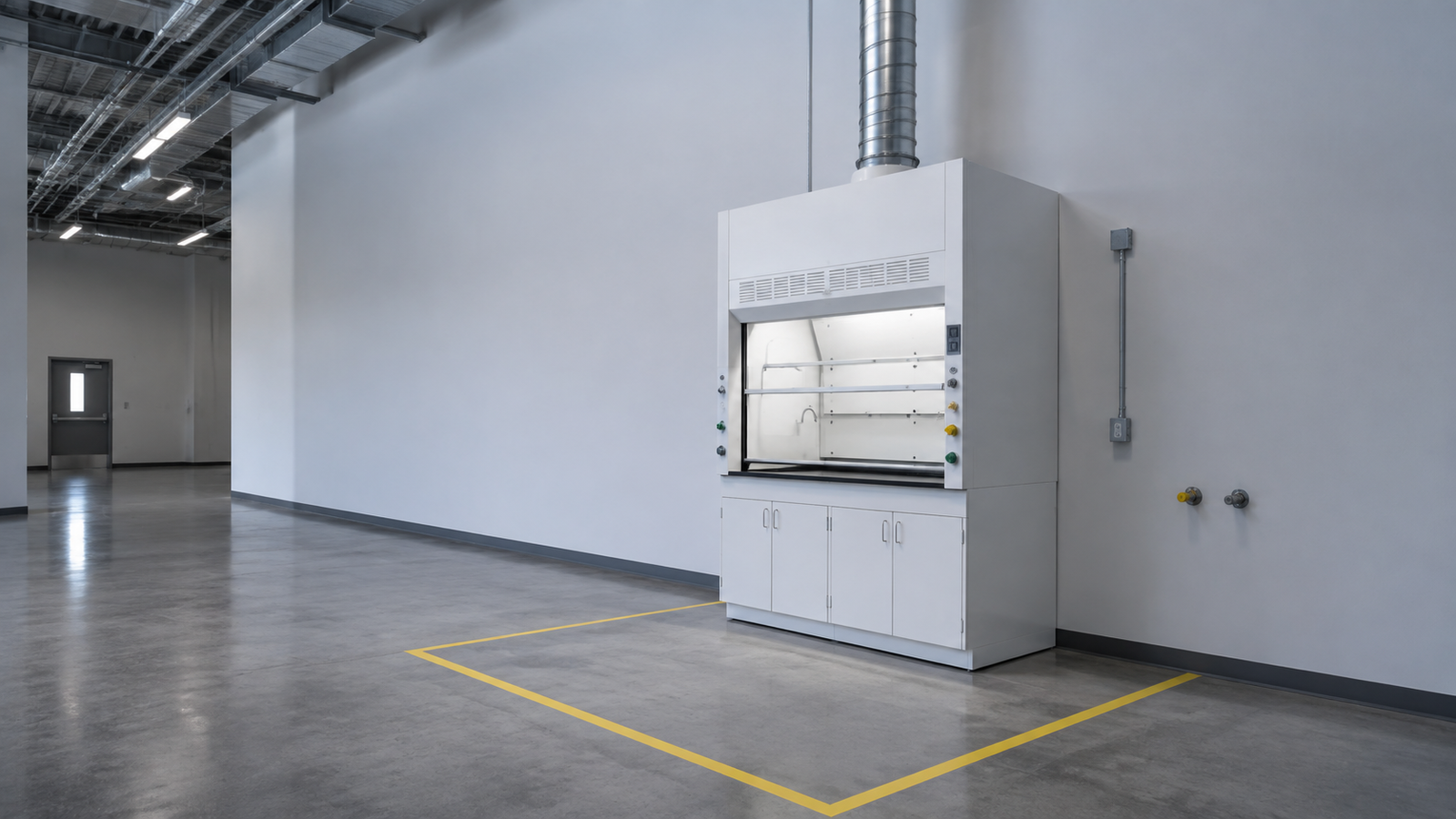
Fume Hood Installation Requirements: A Complete Room-to-Acceptance Checklist
Read more: Fume Hood Installation Requirements: A Complete Room-to-Acceptance ChecklistFume hood installation requirements: room, clearance, utilities, ductwork, makeup air and on-site acceptance — the checklist to…
-
–
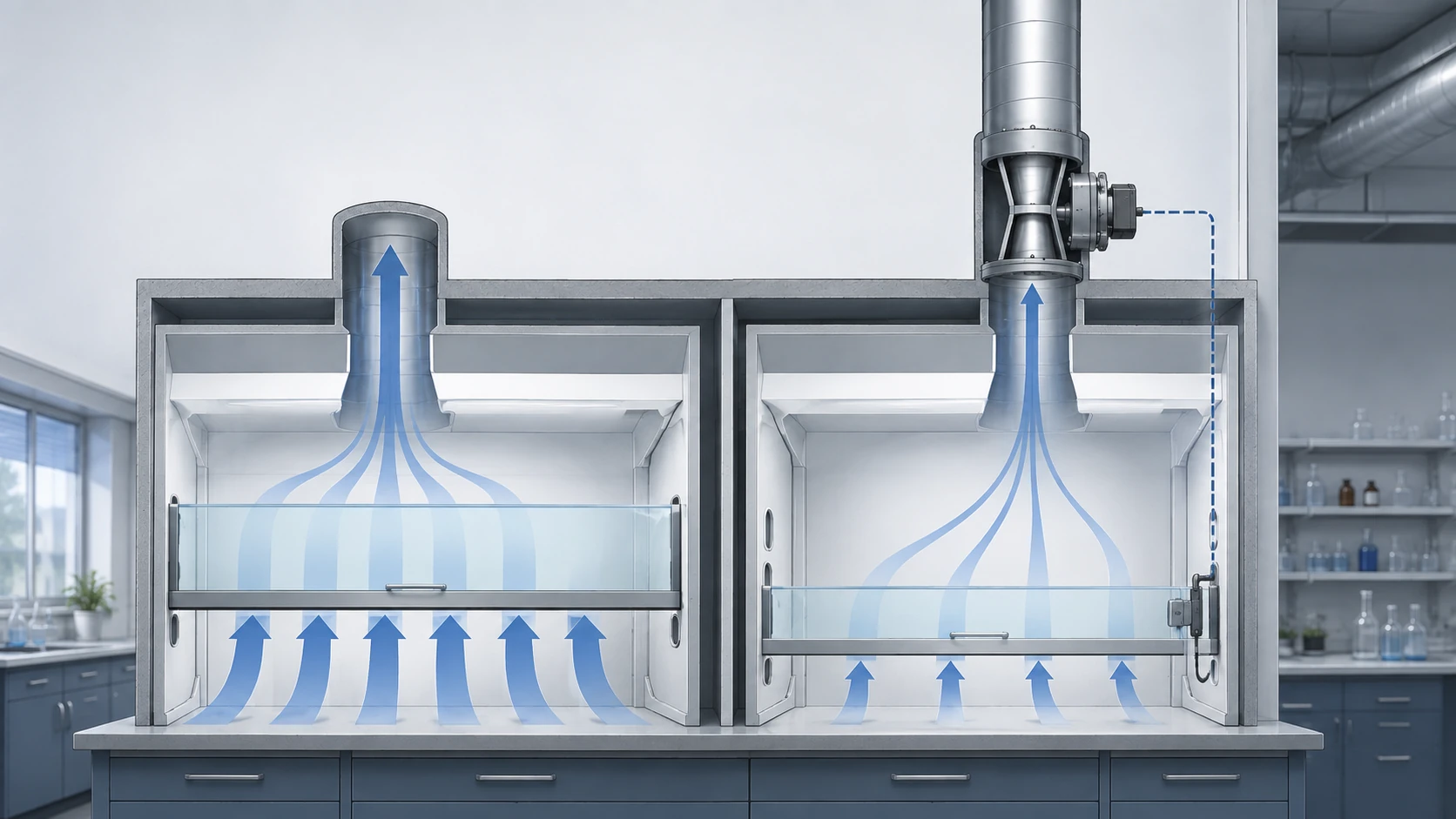
CAV vs VAV Fume Hoods: Airflow Control, Energy Use and Selection
Read more: CAV vs VAV Fume Hoods: Airflow Control, Energy Use and SelectionCAV vs VAV fume hood control compared: what each system controls, when VAV really saves energy, when…
-
–
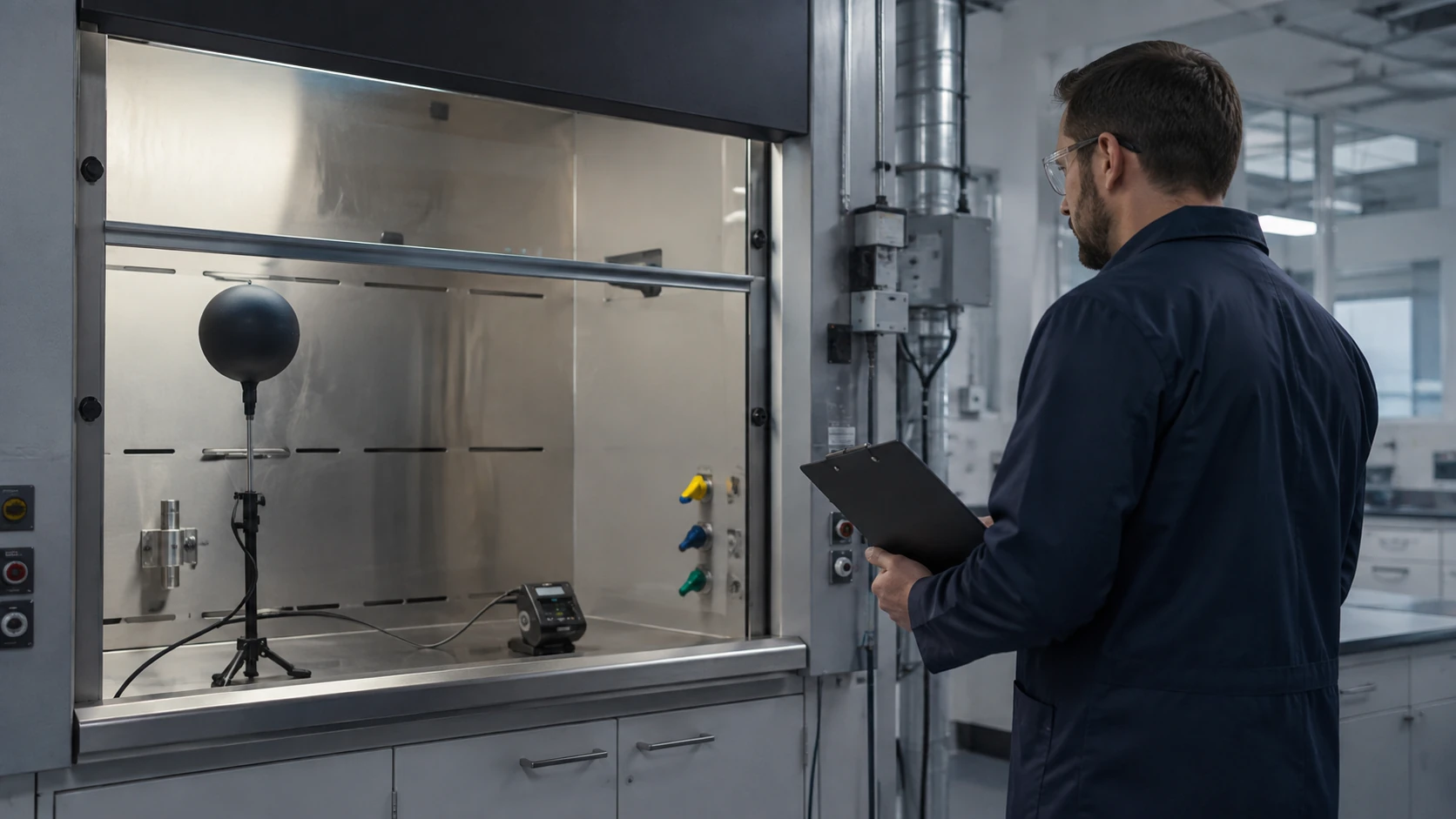
ASHRAE 110 Fume Hood Test: Choose the Right Test Context
Read more: ASHRAE 110 Fume Hood Test: Choose the Right Test ContextChoose the right AM, AI or AU context for an ASHRAE 110 fume hood test and tell…
-

–
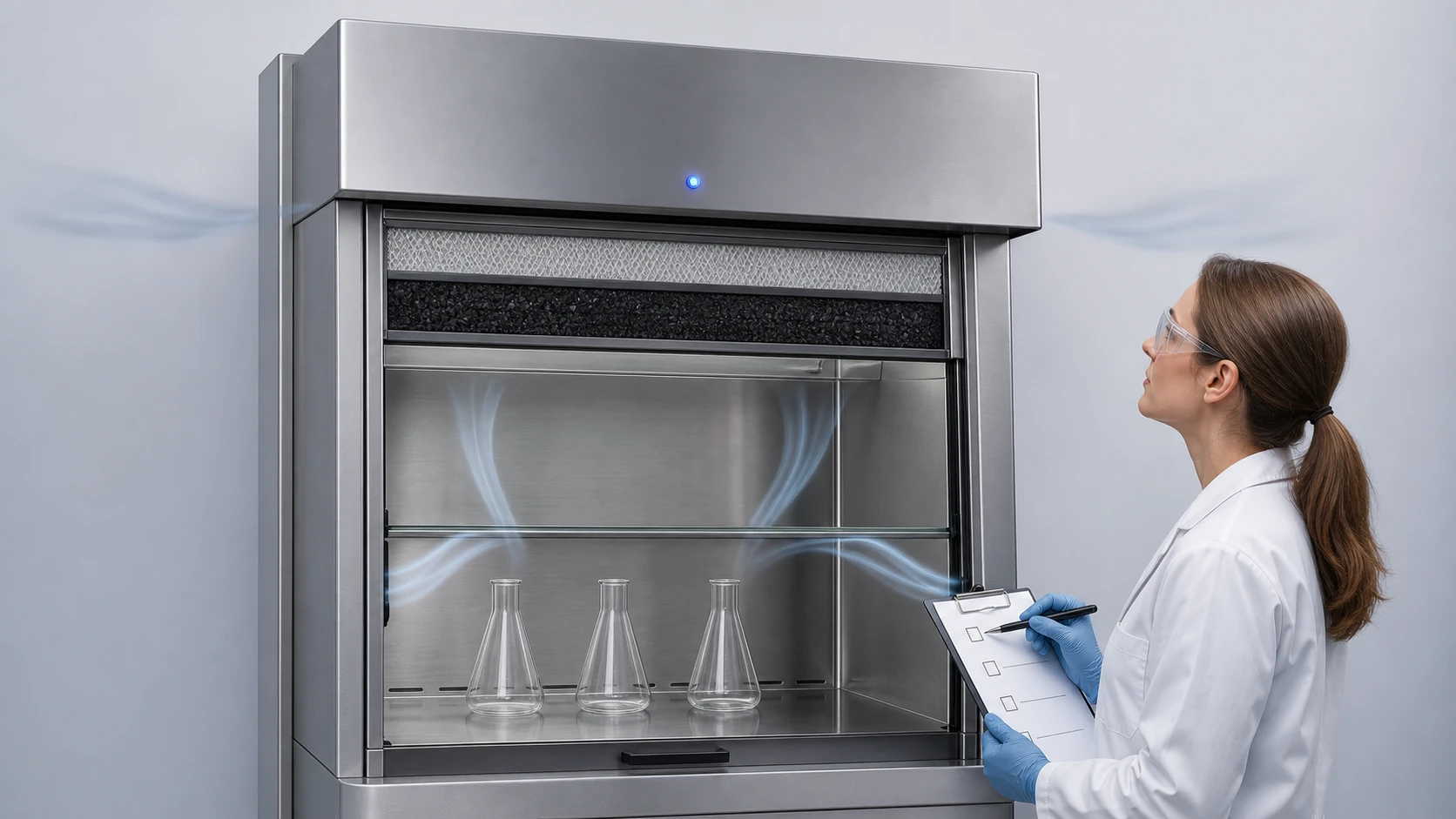
Fume Hood Inspection Checklist: Know What to Check, When to Stop, and When to Retest
Read more: Fume Hood Inspection Checklist: Know What to Check, When to Stop, and When to RetestUse this fume hood inspection checklist to separate daily checks from technical testing, spot stop-use conditions, and…
-
–
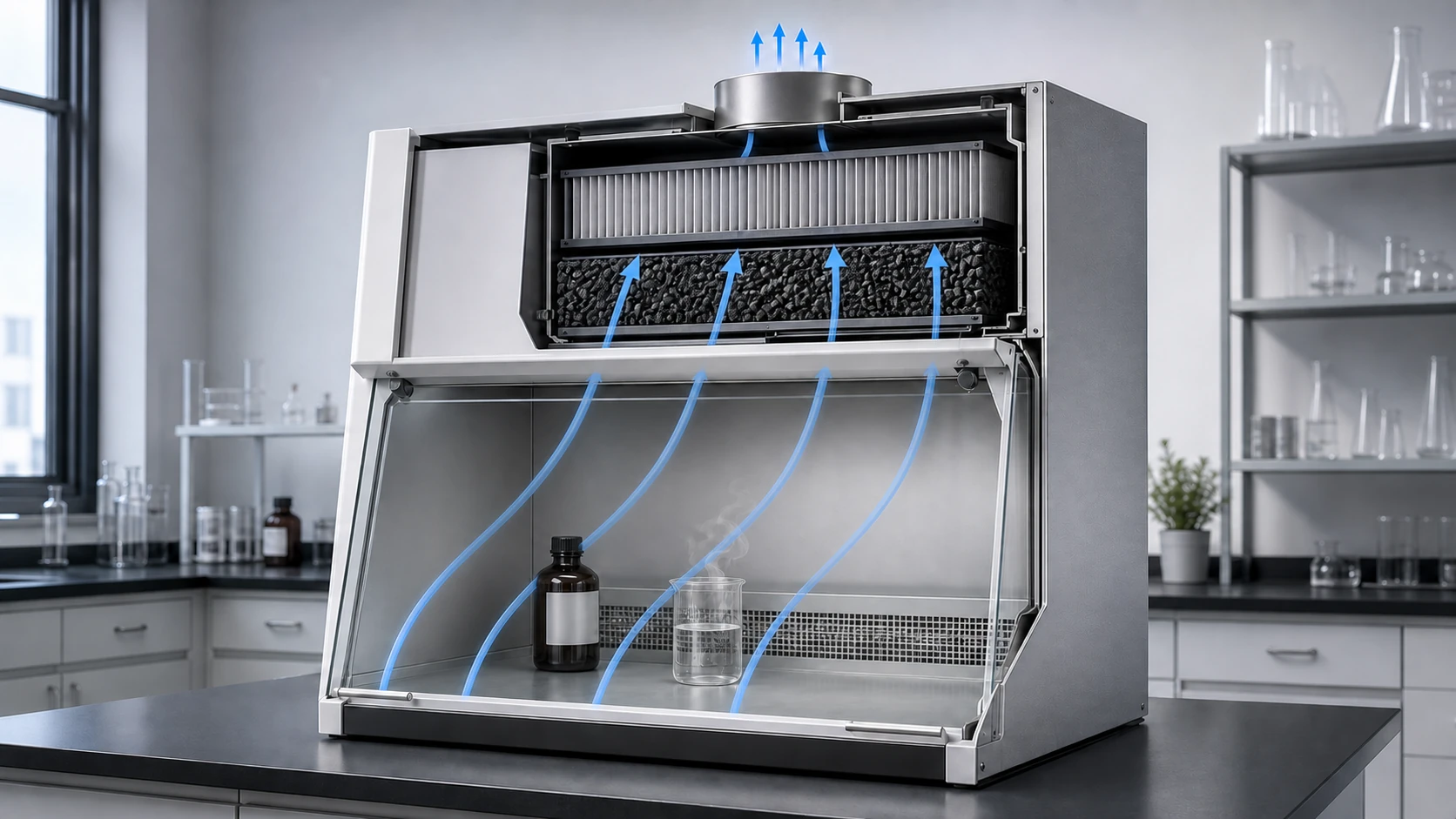
Are Ductless Fume Hoods Safe? Use Limits, Chemical Review and Monitoring
Read more: Are Ductless Fume Hoods Safe? Use Limits, Chemical Review and MonitoringAre ductless fume hoods safe? They are safe only under verified conditions: institutional policy, chemical review and…
-
–
Ductless Fume Hood Filter Selection: Carbon, HEPA and Chemical Compatibility
Read more: Ductless Fume Hood Filter Selection: Carbon, HEPA and Chemical CompatibilityA contaminant-led guide to ductless fume hood filter selection: profile the load, map carbon/HEPA/specialty media, screen chemical…
-
–
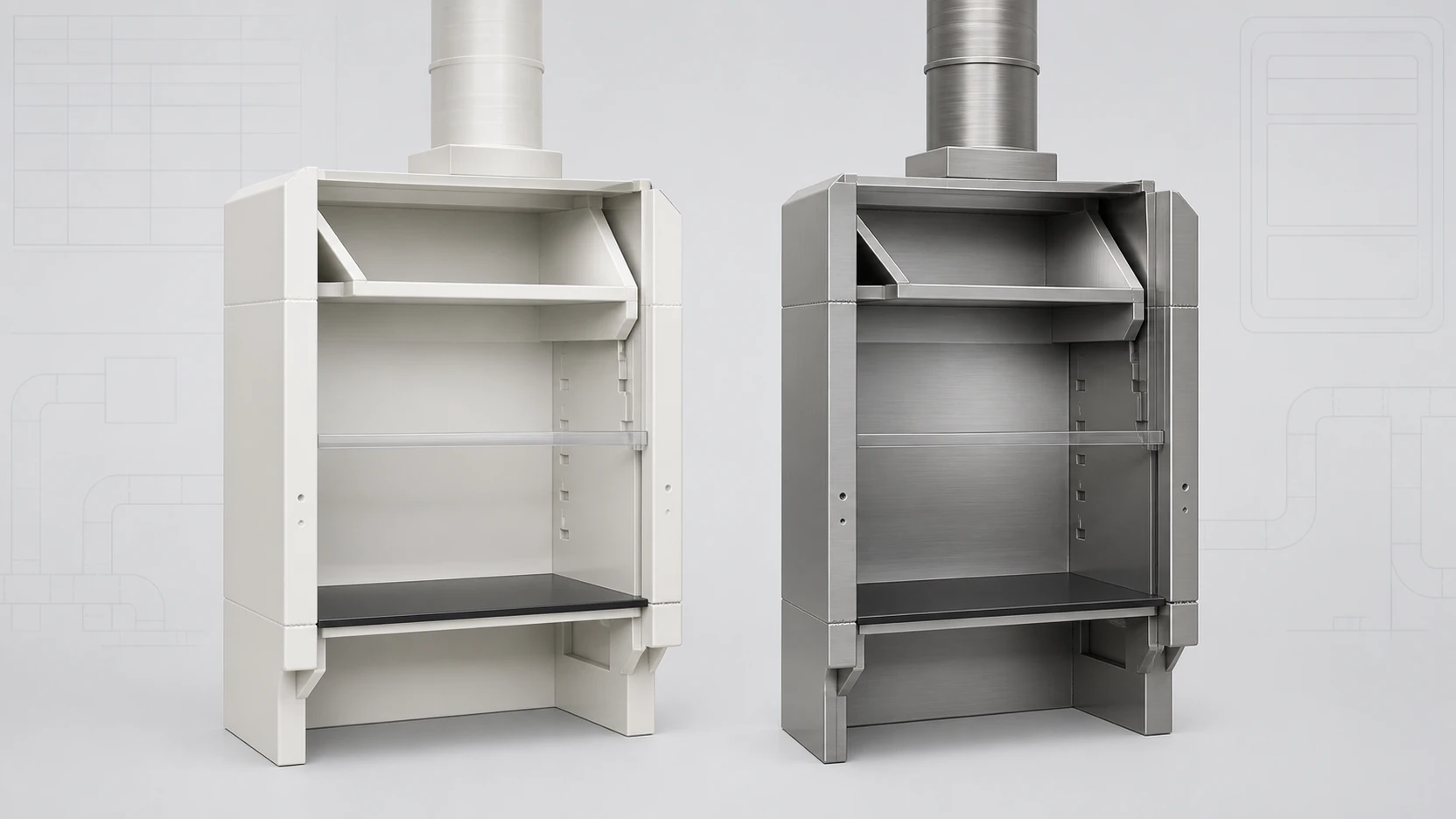
PP vs Stainless Steel Fume Hoods: Chemical Resistance and Use Cases
Read more: PP vs Stainless Steel Fume Hoods: Chemical Resistance and Use CasesChoose PP or stainless steel fume hood material by exact chemical exposure, component evidence, and project review…
-

–
Benchtop vs Floor-Mounted Fume Hoods: Which Fits Your Equipment?
Read more: Benchtop vs Floor-Mounted Fume Hoods: Which Fits Your Equipment?Choose between a benchtop and a floor-mounted fume hood by equipment envelope, internal clearance, loading path and…
-

–
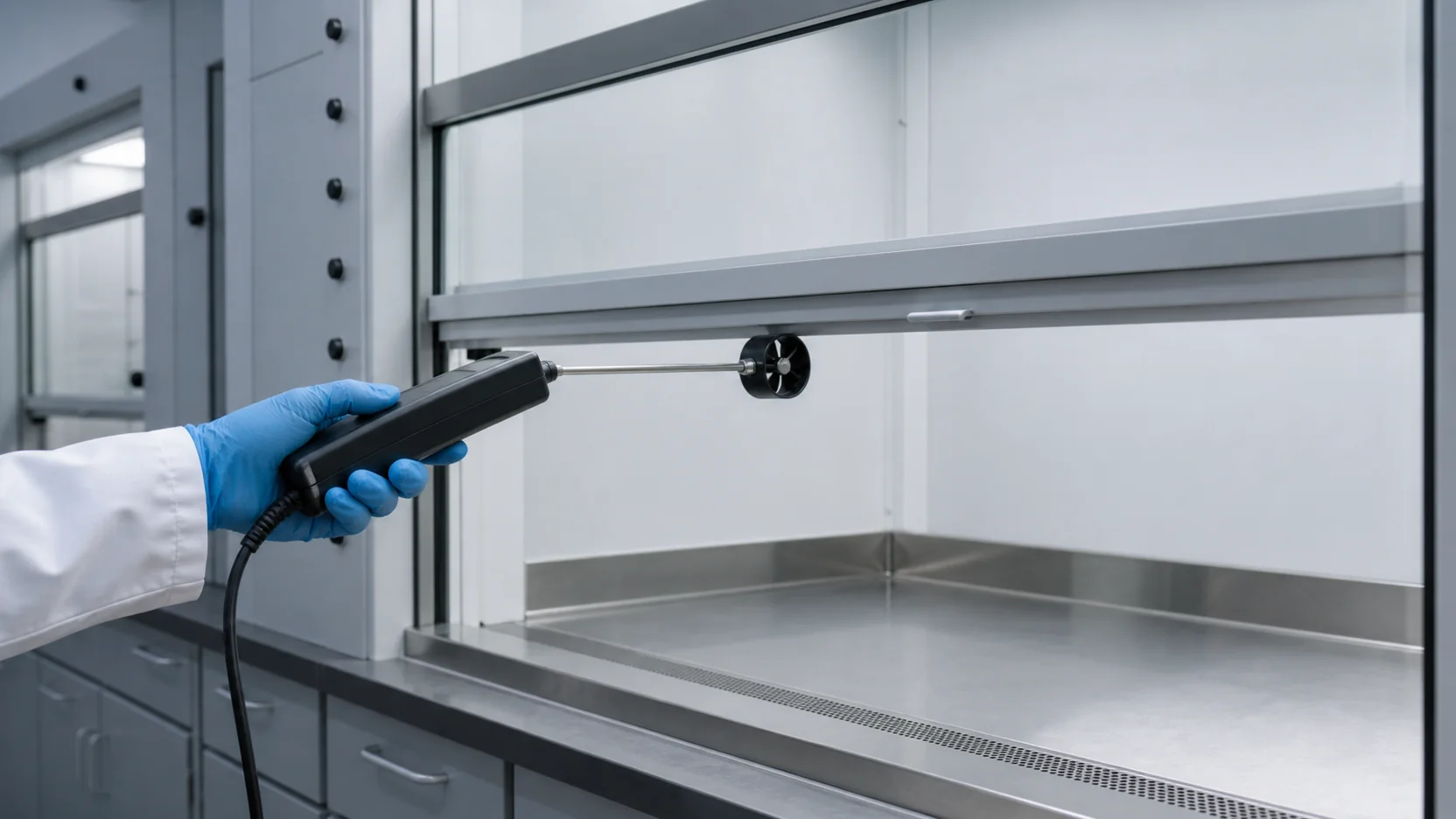
Fume Hood Airflow Calculation: CFM, Face Velocity and Sash Opening
Read more: Fume Hood Airflow Calculation: CFM, Face Velocity and Sash OpeningCalculate fume hood airflow with CFM = face velocity × open sash area, in imperial or metric,…
-
–
Fume Hood Face Velocity Requirements: What 60, 80 and 100 FPM Mean
Read more: Fume Hood Face Velocity Requirements: What 60, 80 and 100 FPM MeanUnderstand where fume hood face velocity requirements really come from: attribute 60, 80 and 100 fpm to…