

Direct Hotline / WhatsApp
+86 181 2647 8161

Manufacturing Head Office
COFCO Cloud View Plaza, Hexhuikou Community, Matian Subdistrict, Guangming District, Shenzhen City, Guangdong Province, China
Laboratory Sinks & Wash Stations
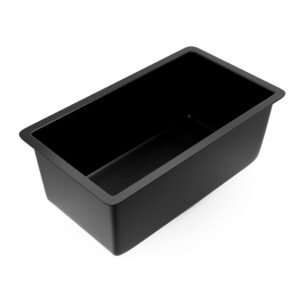
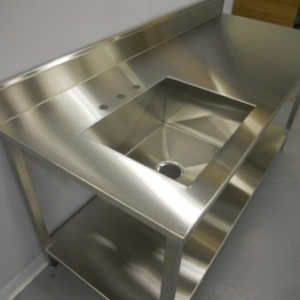
Laboratory Sinks and Wash Stations for Wet-Service Work Areas Laboratory sinks support washing, rinsing, sample preparation, and controlled liquid disposal within the limits of the facility plumbing and operating procedure. This category includes polypropylene and stainless steel configurations. Material selection must consider the actual liquids, temperature, cleaning agents, abrasion, impact, hygiene expectations, and compatibility with the surrounding countertop and cabinet.
Choose the Basin Material and Layout Together A PP laboratory sink is suited to projects that prioritize polymer construction and chemical compatibility, while a stainless steel laboratory sink provides a metal basin option for compatible laboratory wash duties. For either type, define the internal basin size, rim or mounting style, bowl depth, number and position of faucets, drain outlet, accessories, splash control, and required worktop cutout.
Coordinate Plumbing and Maintenance Access Provide the supply pressure, water type, drainage arrangement, trap and waste material, expected liquid temperature, discharge restrictions, fixture locations, and service shutoff requirements. Confirm how the sink is sealed to the countertop and how plumbing remains accessible after installation. The laboratory sink base cabinet can provide the required under-bench enclosure and service opening when it is coordinated with the basin and pipework.
A laboratory sink is not a substitute for a neutralization system, hazardous-waste container, emergency eyewash, or process drain. Submit the liquid list, room plan, countertop material, cabinet opening, plumbing points, fixture schedule, and destination before finalizing the wash-station configuration.