

Direct Hotline / WhatsApp
+86 181 2647 8161

Manufacturing Head Office
COFCO Cloud View Plaza, Hexhuikou Community, Matian Subdistrict, Guangming District, Shenzhen City, Guangdong Province, China
Laboratory Worktops & Countertops
Filter by price
Showing the single result
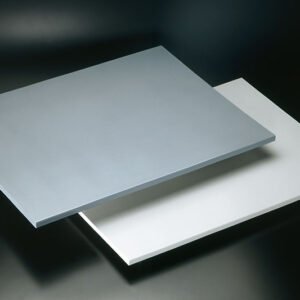
Laboratory Worktops and Countertops for Process-Specific Work Surfaces A laboratory countertop is the working interface between the user, equipment, chemicals, utilities, and supporting casework. Selection should begin with the actual procedures performed on the surface. Chemical exposure, heat, impact, moisture, cleaning agents, static-control requirements, equipment load, and hygiene expectations all influence the appropriate material and construction.
Define the Surface Before Finalizing the Bench The custom laboratory countertop can be coordinated with wall benches, island benches, instrument tables, sink runs, and fixed casework. Specify the finished dimensions, thickness, edge profile, backsplash, joints, cutouts, sink opening, faucet and service penetrations, equipment footprint, support spacing, and any raised or sealed edges. Material suitability must be checked against the named chemicals and operating conditions rather than inferred from a generic resistance label.
Coordinate Every Interface Confirm how the worktop will be supported, transported, joined, sealed, and installed. Heavy instruments may require local reinforcement or a separate support strategy. Balance and precision equipment can require vibration isolation that should not be assumed from the countertop alone. Sink and plumbing penetrations also need compatible sealing and accessible maintenance space.
Review Laboratory Benches and Workstations for complete workbench configurations, Laboratory Casework for supporting cabinets, and Laboratory Sinks and Wash Stations for wet-service integration. Submit the room plan, process list, equipment schedule, utility points, and required cutouts for a coordinated work-surface proposal.