

+86 181 2647 8161

Shenzhen Office
COFCO Cloud View Plaza, Hexhuikou Community, Matian Subdistrict, Guangming District, Shenzhen City, Guangdong Province, China
Laboratory Benches & Workstations
Filter by price
Showing all 12 results
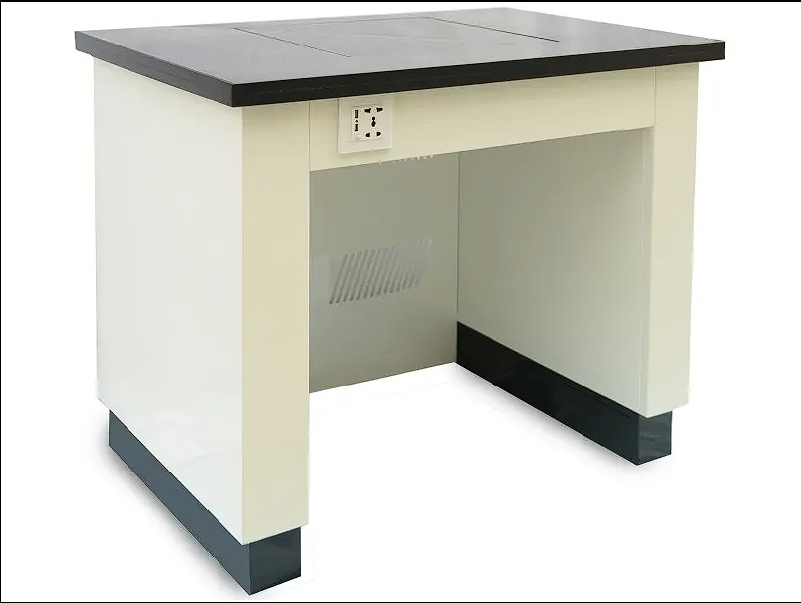
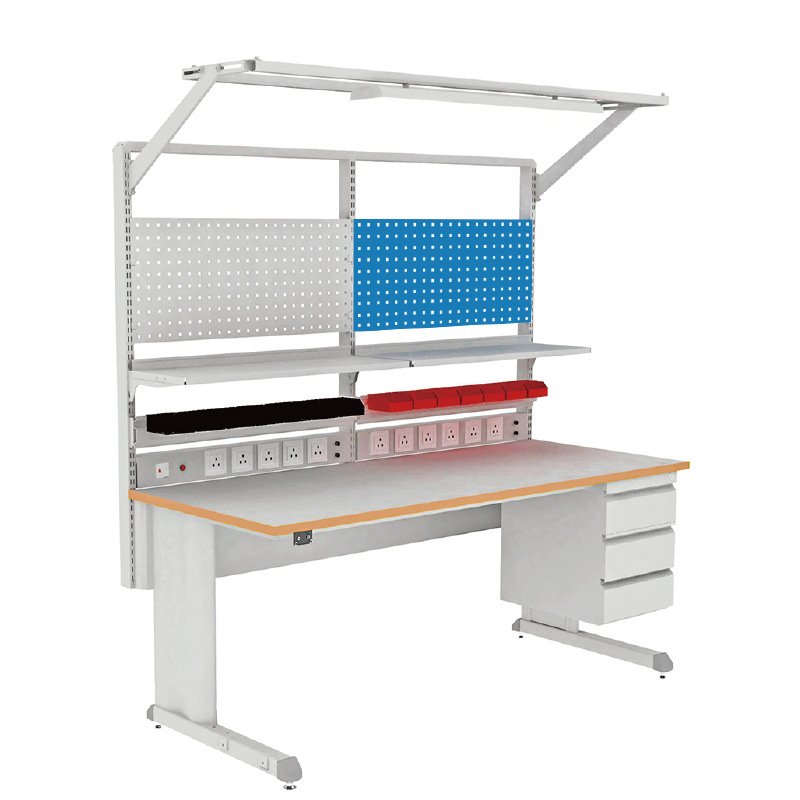
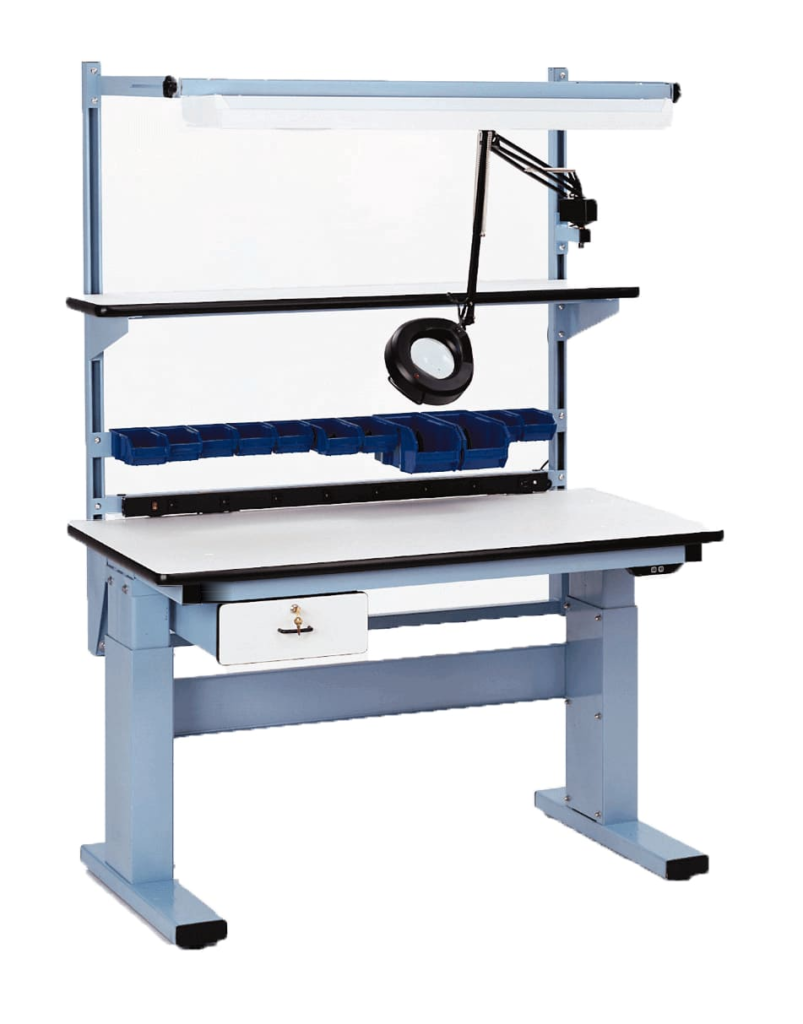
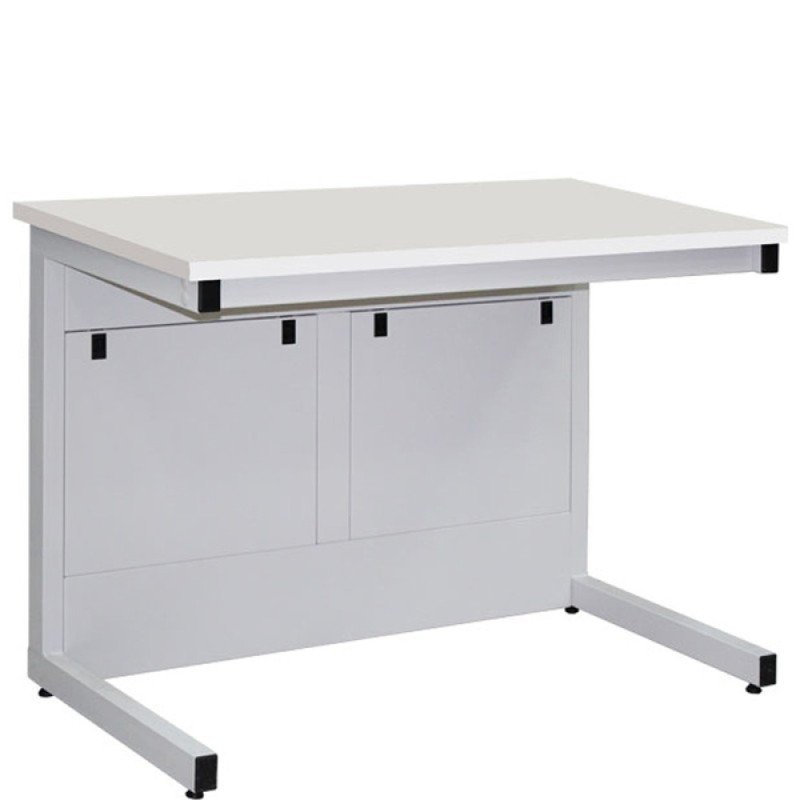
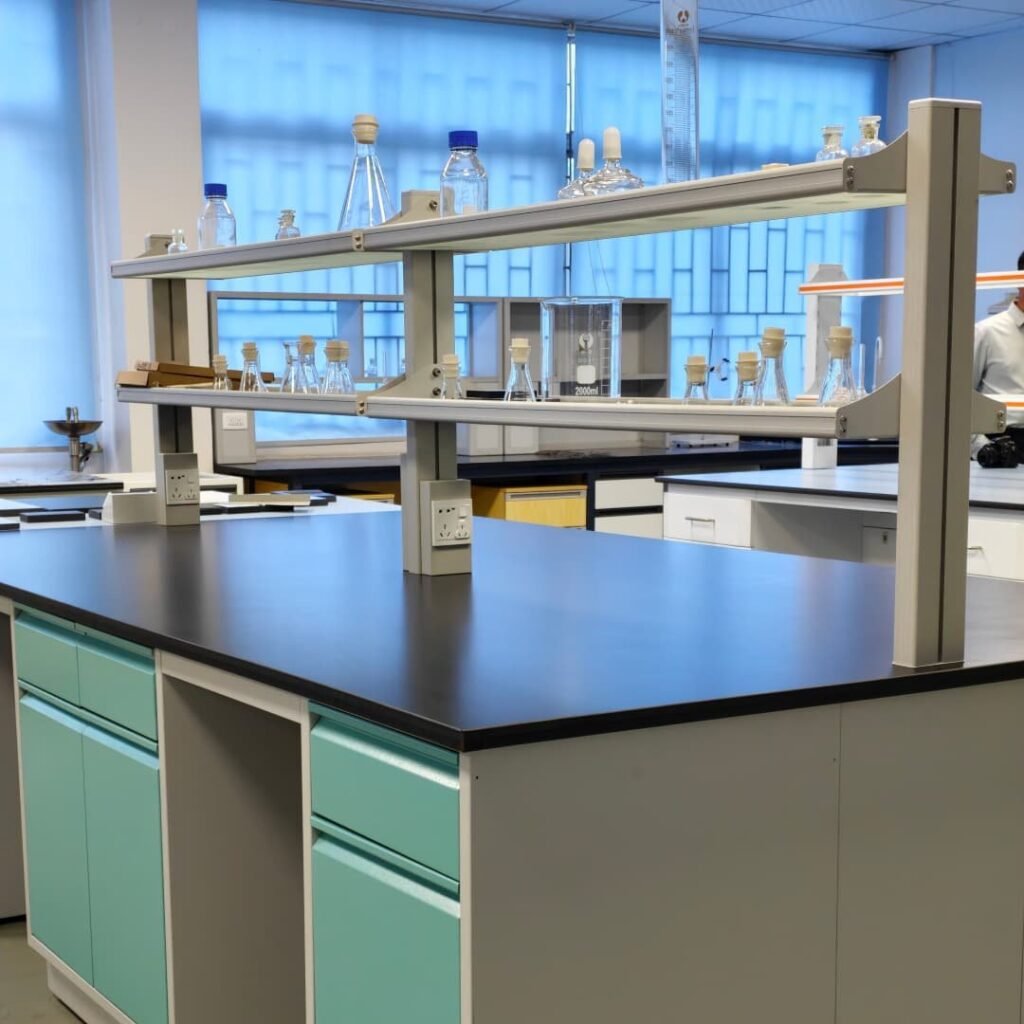
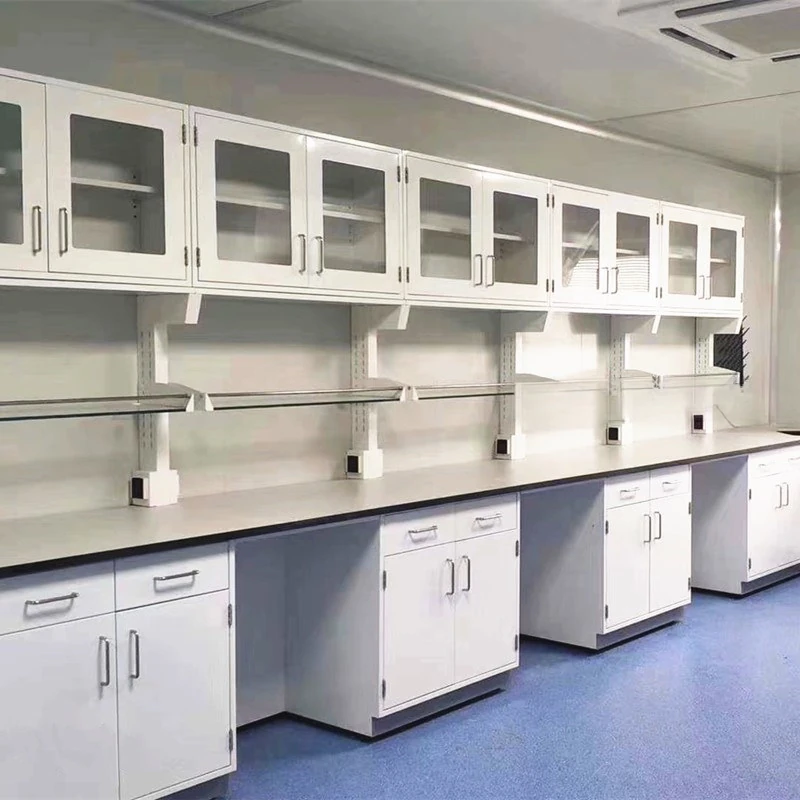
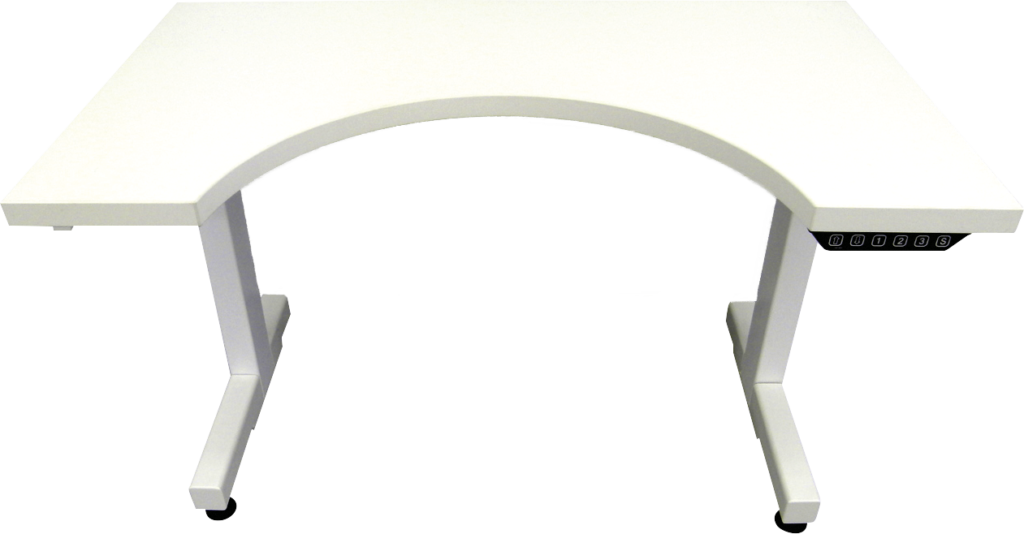
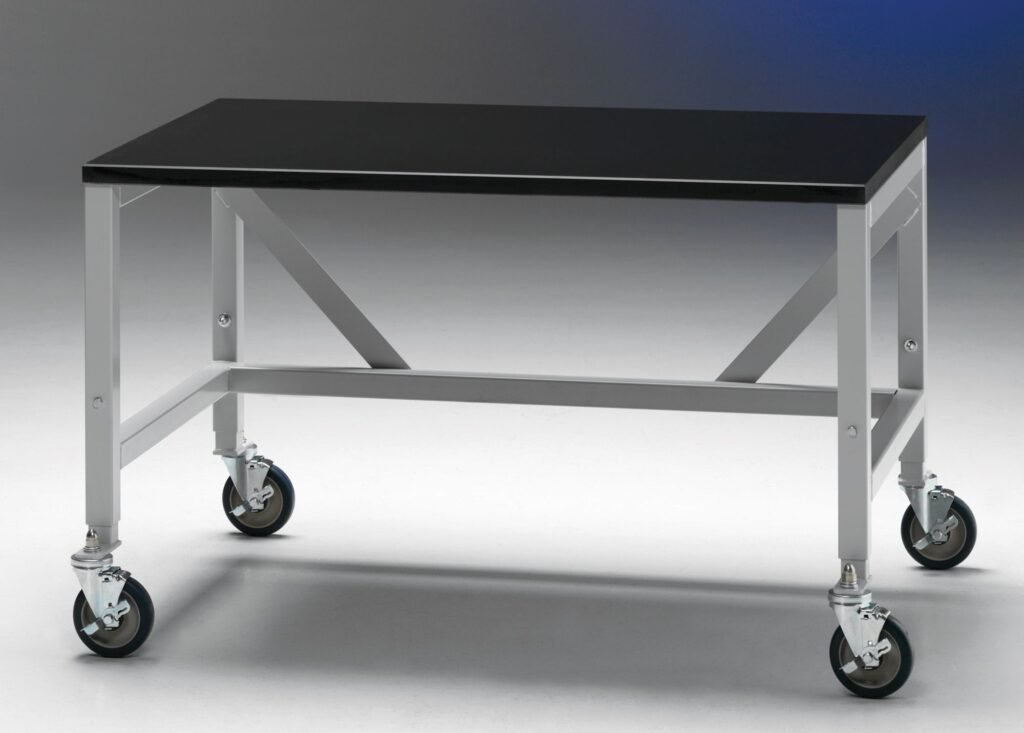
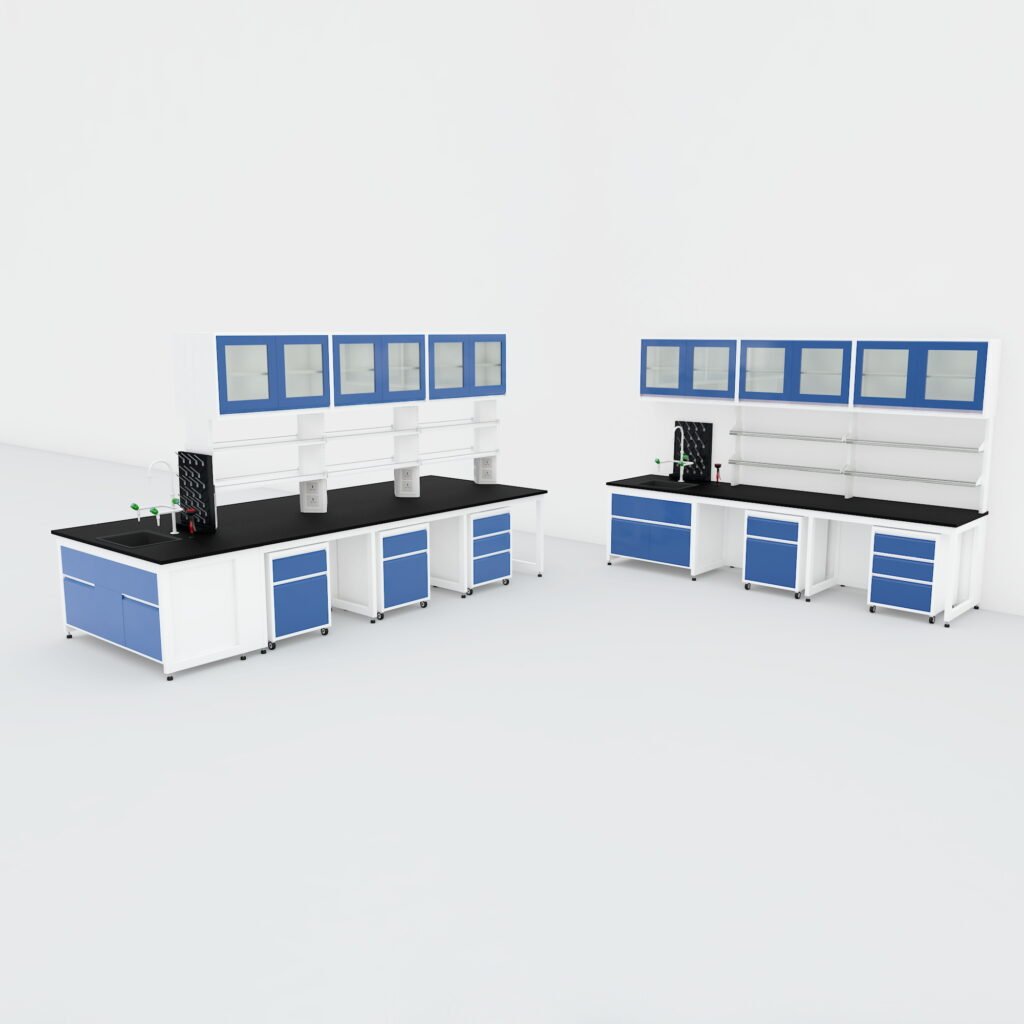
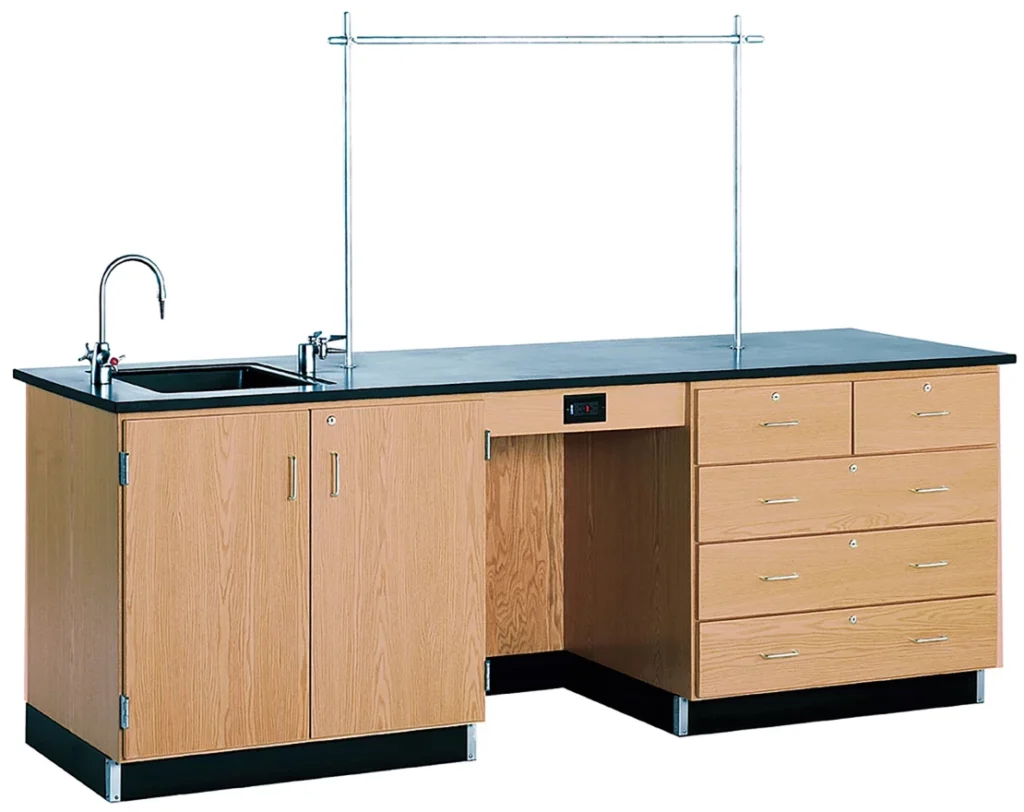
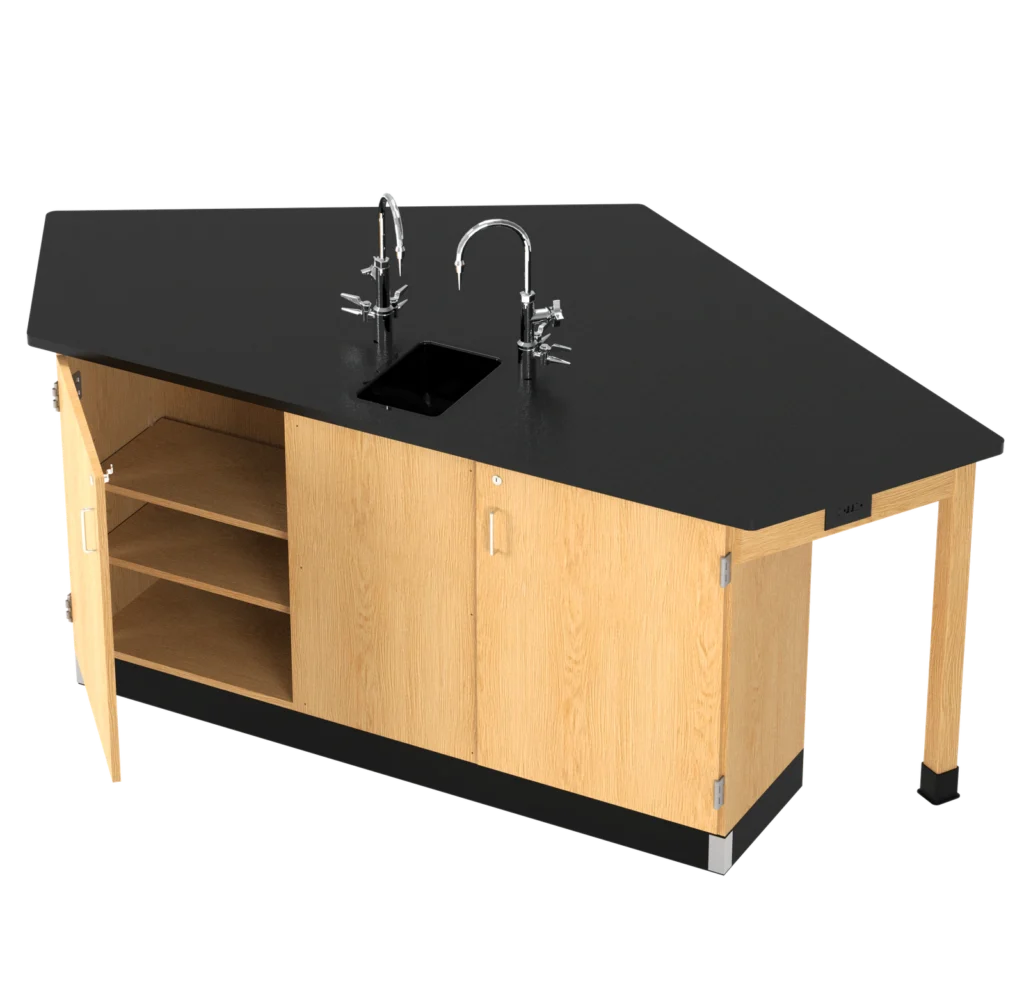
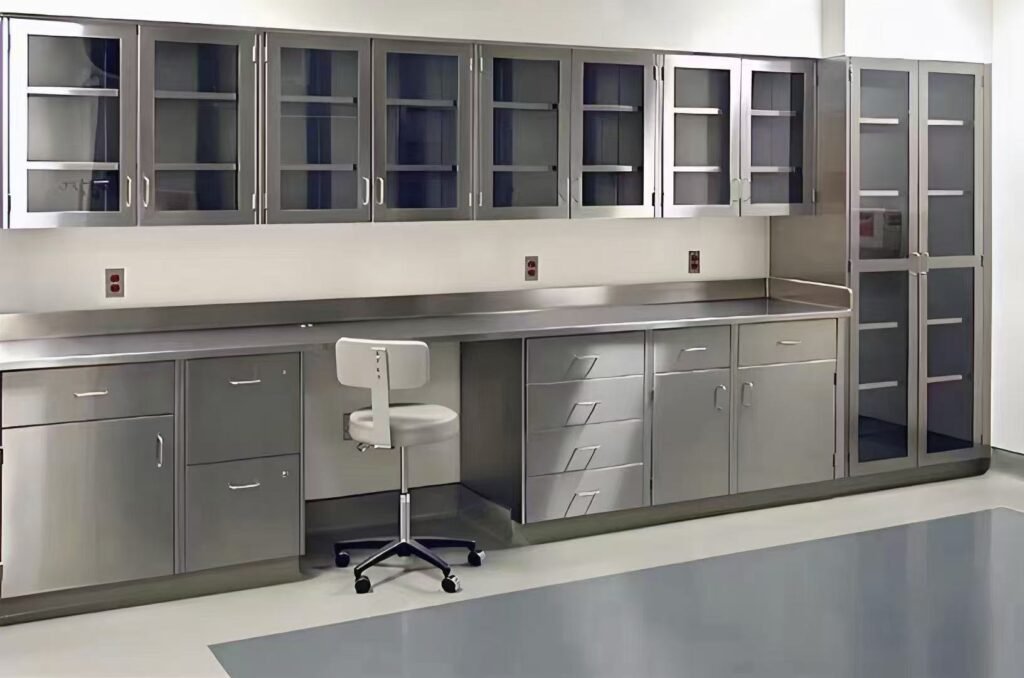
Laboratory Benches and Workstations for General and Specialized Tasks Laboratory benches organize the work surface, support structure, storage, utilities, and equipment around a defined workflow. This category covers perimeter and island layouts, stainless steel benches, instrument and balance tables, mobile and height-adjustable benches, modular systems, ESD workstations, microscope tables, and science teaching furniture. The best configuration depends on the task rather than a single standard bench design.
Select the Layout and Function First A laboratory wall bench supports perimeter workflows and service runs, while a laboratory island bench creates shared access from multiple sides. Use a laboratory instrument table when equipment access, cable routing, and load distribution drive the design. Precision weighing, microscopy, electrostatic-sensitive work, frequent reconfiguration, seated teaching, and mobile tasks each require a purpose-specific workstation rather than a cosmetic variation of a general bench.
Information Required for a Coordinated Bench Provide the room plan, user count, workflow, equipment dimensions and weights, work-surface exposure, utilities, sink locations, storage needs, desired standing or seated height, accessibility requirements, service zones, and installation constraints. Identify whether the bench is fixed, mobile, modular, height adjustable, or isolated from surrounding vibration. Confirm the worktop, frame, casework, electrical services, plumbing, shelving, and accessories as separate schedule items.
Use Laboratory Worktops and Countertops to select the process-facing surface, and Laboratory Casework for base, wall, tall, and sink cabinets. Final dimensions and configurations are established from the approved room layout and equipment schedule.